
HVAC Maintenance Agreement Guide: 5 Benefits of Service Plans in North Georgia
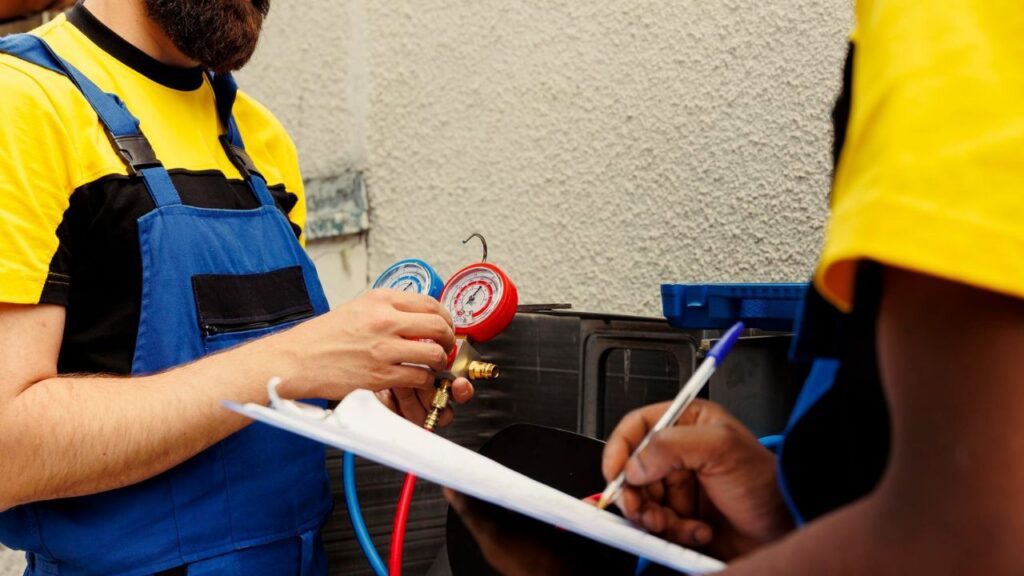
An HVAC maintenance agreement in North Georgia usually becomes something homeowners appreciate only after a system starts acting “off” during peak summer heat.
The cooling feels slower, the air seems heavier, and the system runs longer but doesn’t quite keep up. That’s often the moment people start asking a simple question: “Is there a smarter way to avoid this cycle of surprise repairs?”
An HVAC maintenance agreement is exactly that middle ground. It helps prevent breakdowns instead of reacting to them after something fails.
To avoid unexpected HVAC issues in North Georgia, explore the HVAC maintenance plans from Star Services HVAC. These plans are designed to keep systems efficient and reduce breakdown risk in local conditions.
We also offer 24/7 emergency support with certified technicians for urgent situations. Our predictive and preventive maintenance plans help protect your investment, improve performance, save money, and extend system life.
What is an HVAC Agreement?
An HVAC agreement is a scheduled maintenance plan that includes regular inspection, cleaning, and tuning of your heating and cooling system. It is not a complicated service. It is a basic routine to keep the system running well.
In North Georgia, this matters even more. HVAC systems run for long cooling seasons due to high humidity and low downtime. Over time, dust builds up, coils get stressed, and parts weaken slowly. The system may still run, but performance drops.
A maintenance agreement catches these issues early. It helps keep comfort steady before bigger problems start.
5 Benefits of HVAC Maintenance Agreements in North Georgia
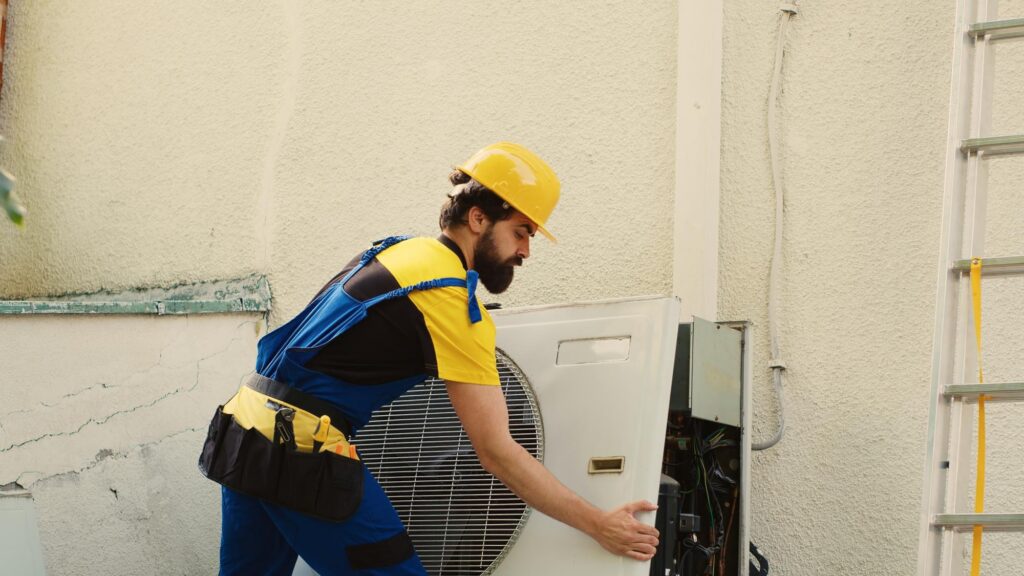
An HVAC maintenance agreement in North Georgia is not just about routine servicing. It is about preventing the kind of problems that show up at the worst possible time, usually during peak summer heat when the system is already under pressure.
Most homeowners don’t notice the value right away. It builds slowly over time, especially when systems are exposed to long cooling cycles, humidity, and continuous use.
Here’s where the real benefits show up.
1. Small Issues are Caught Before They Turn Expensive
This is where most of the real value of an HVAC maintenance agreement comes from.
A weak capacitor, dirty coil, or small airflow imbalance does not always feel urgent. The system still runs. The house still cools. Nothing seems broken.
But inside the system, those small issues start forcing extra strain. The unit works longer, cycles harder, and slowly loses efficiency without warning.
Regular maintenance helps catch these early changes before they turn into full breakdowns. Especially during peak summer demand in North Georgia when systems are already under stress.
2. Priority Service When Demand is at Its Peak
North Georgia summers put HVAC systems and service schedules under heavy pressure. When temperatures rise quickly, service calls increase just as fast. That often leads to delays for standard appointments.
With a HVAC maintenance agreement, customers typically receive priority scheduling. That means faster response times when the system stops working at the worst possible moment.
In real terms, it reduces downtime when cooling is needed the most.
3. Lower Repair Costs Over Time
HVAC repairs almost never happen at a good time. Most come on the hottest day of the year. The system is already under stress, and service demand is high.
An HVAC maintenance agreement helps reduce that pressure. Regular service catches small issues early. This stops them from turning into bigger and more expensive failures. In many cases, it prevents a full breakdown altogether. Some plans also include discounted repair rates, which lowers the cost of sudden fixes.
Even one avoided emergency repair can make the plan worth it. Over time, costs feel more steady and easier to manage instead of sudden and stressful.
4. Longer System Life and More Stable Performance
A well-maintained HVAC system simply does not have to fight as hard to do its job.
It runs smoother, cycles more naturally, and puts less strain on important parts like the compressor and fan motors. That difference might not feel obvious day to day, but it adds up over the years.
Most systems don’t fail from one major breakdown. They wear down slowly from repeated stress across long cooling seasons, especially in places like North Georgia, where the AC runs heavily for months at a time.
An HVAC maintenance agreement helps slow that wear. Clean coils, balanced airflow, and properly tuned components keep the system from working harder than it should.
This results in fewer surprises and a system that holds up longer.
5. Less Uncertainty When Something Feels Off
One of the most underrated benefits of an HVAC maintenance agreement is peace of mind.
When something changes in how the system is running, most homeowners are left guessing. Is it serious? Can it wait? Or is it just a normal seasonal shift?
Without service history, it’s hard to tell the difference.
With regular maintenance, that guesswork drops. Technicians already know how the system has been performing over time, so even small changes stand out more clearly.
That makes diagnosis faster and a lot more accurate. It also reduces the stress that comes with “something feels off, but I’m not sure what.”
In simple terms, it replaces uncertainty with clarity and that alone makes a big difference during peak HVAC season.
What’s Included in Star Services HVAC Maintenance Plans?

At Star Services, HVAC maintenance plans are built around preventive care and long-term system protection, not just basic tune-ups.
The goal is simple: reduce breakdown risk and extend equipment life through consistent maintenance.
Core benefits include:
- Preventive care to reduce unexpected breakdowns
- Priority service during peak demand periods
- Repair discounts on eligible services
- Extended warranty protection options
These plans are designed for real-world North Georgia conditions where HVAC systems work harder and longer than average.
How HVAC Maintenance Agreements Work
An HVAC maintenance agreement is designed to remove confusion from HVAC care. It replaces uncertainty with a simple, predictable process.
Instead of waiting for something to break, the system is checked and maintained regularly. This keeps performance steady and reduces unexpected issues.
Here’s how the process usually works:
Contact
Service begins when a homeowner reaches out by phone or schedules an appointment online. Response times are typically fast, especially during peak demand periods in North Georgia when HVAC systems are under heavy seasonal load.
At this stage, the goal is simple: to get help scheduled without delay so the system can be checked before the problem grows.
Diagnosis
Once the appointment is set, a full system inspection is carried out. This includes checking airflow, electrical components, cooling performance, and overall system condition to identify early signs of wear or failure.
Most diagnostic visits take around 30–60 minutes, depending on system access and complexity. The focus here is not guesswork. It is finding the actual cause behind performance issues before they turn into larger repairs.
Quote Approval
After diagnosis, clear pricing is provided before any work begins. This step keeps everything transparent and avoids surprise costs or last-minute changes to the service scope.
Homeowners can review the recommended work and decide before anything moves forward, which keeps the process straightforward and stress-free.
Service Work
Once approved, maintenance or repair work is completed using quality components and standard professional procedures.
Most service visits typically take 1–3 hours depending on system condition and the type of issue identified. The work may include cleaning, adjustments, part replacement, or system tuning based on what the inspection reveals.
Final Field Reality
HVAC systems rarely fail suddenly. They decline slowly, one small stress point at a time. By the time it becomes obvious, the system is already working harder than it should.
An HVAC maintenance agreement doesn’t change how systems operate. It changes when problems are found. In North Georgia, where heat and humidity push systems for months at a time, that timing makes all the difference between a smooth season and an expensive emergency.