
How Long Does a Furnace Last? 5 Warning Signs It Needs Replacing
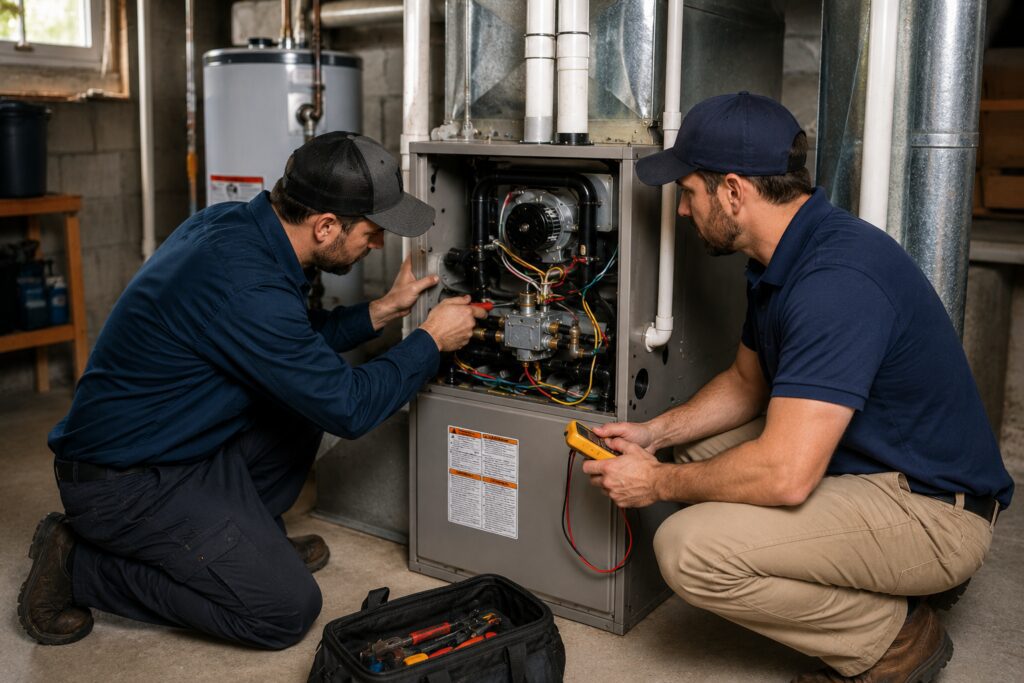
The average furnace lifespan is around 15 to 20 years, but some units last longer.
So, how long does a furnace last? The answer depends on its age, condition, and repair history. If your furnace is getting old or breaking down often, it may be time to have it checked. Not sure if you should repair or replace your furnace? Contact Star Services for trusted furnace service in North Georgia.
How Long Does a Furnace Last by Type?
The average furnace lifespan can also vary based on the type of system you have. Here is a simple guide:
| Furnace Type | Typical Lifespan |
| Gas furnace | 15–20 years |
| Electric furnace | Up to 30 years |
| Oil furnace | Varies by system and care |
These are typical ranges, but actual lifespan can vary. Two furnaces can be the same age and work very differently. One may run well with few repairs. The other may have problems every winter.
What Can Shorten Furnace Life?
A furnace can wear out faster when it has to work harder than it should. Poor installation, heavy use, skipped maintenance, and dirty filters can all play a part.
The filter is an easy one to overlook. When it gets dirty, air cannot move as well through the system. Your furnace may then have to work harder to heat the home. Cold weather can also mean more run time. That is normal, but more use means more wear over the years.
A few simple habits can help:
- Change the filter as needed.
- Keep vents and return grilles clear.
- Deal with heating problems early.
- Pay attention to new or odd sounds.
- Have the furnace checked each year.
These steps will not stop normal wear. They can help your furnace stay reliable for longer.
5 Warning Signs Your Furnace May Need Replacing
1. You Keep Paying for Repairs
One repair does not mean your furnace needs to go. If the unit is fairly new and the repair is small, fixing it may be the easy choice. Things change when the repair bills keep coming.
Think about the last few winters. Has the furnace needed service more than once? Are different parts starting to fail? Are you spending a lot just to keep an old unit running?
If yes, take a step back before paying for another repair. A technician can check the system and tell you what condition it is in. A small repair may be worth it. A long list of repairs on an older furnace is another matter.
2. Your Home Does Not Heat Well
You set the thermostat, but the house still feels cold. Maybe one room is warm while another stays chilly. Or the furnace runs for a long time without making much difference.
Do not assume that means you need a new furnace. A dirty filter, blocked vent, duct problem, thermostat issue, or furnace fault can cause poor heating. Bryant lists uneven or inconsistent heating as a reason to have a furnace checked.
Start with the cause. If the furnace is also 15 or 20 years old and has other problems, replacement may be worth considering.
3. Your Heating Bills Keep Going Up
A high heating bill does not always point to a bad furnace. A colder winter can raise your costs. So can a higher thermostat setting. Poor insulation can also make your home harder to heat.
But what if your bills keep rising even though nothing else has changed? That is worth checking.
An older furnace may not run as efficiently as it once did. It may also run longer because of another problem. Rising energy costs are signs that a furnace may need attention. Do not base a replacement decision on one bill, but look for a pattern.
4. You Hear Strange Sounds or Notice a Serious Problem
You know what your furnace normally sounds like. So when that sound changes, pay attention.
Banging, grinding, squealing, and rattling are worth checking. A strong gas smell is more serious. If you smell gas, leave the area and follow your gas provider’s emergency instructions. Do not try to find the leak yourself.
Some furnace problems are not safe to handle on your own. A suspected heat exchanger problem is one example. If you notice smoke, a strong burning smell, or another serious safety issue, stop using the furnace when it is safe to do so. Then call a qualified professional.
5. Your Furnace Is Old and Keeps Having Problems
A 15-year-old furnace with one small problem may still be fine. But a 15-year-old furnace that breaks down often is a different story. The same goes for a unit that no longer heats the home well or costs more to run.
Your furnace may still turn on every day. That does not mean it is still a good investment.
If several problems are showing up at the same time, get the system checked before spending more on repairs. Experts recommend considering replacement options as a furnace approaches 15 years, while also looking at its condition and repair needs.
Is a 15-Year-Old Furnace Too Old?
Not always. Some furnaces keep working well after 15 years. Others start causing trouble sooner. No switch tells a furnace it has reached the end of its life.
Look at how yours has been doing lately. Has it needed several repairs? Does it still heat the home evenly? Are your bills going up? Is it making new sounds?
If the furnace still works well and repair needs are low, you may not need to replace it yet. If problems keep piling up, it is time to look at your options.
How Can You Tell How Old Your Furnace Is?
Not sure how old your furnace is? Check the label on the unit. It should have the model and serial numbers. Your installation papers may also show when it was installed. If you cannot work out the age, a furnace professional can help identify the unit.
Knowing the age is useful when you are facing a repair. A small fix on a newer furnace is one thing. The same repair on a 20-year-old unit may need more thought.
What Is Short Cycling?
Short cycling means your furnace turns on and off too often. You may notice that it starts, runs for a short time, shuts off, and then starts again soon after. This can happen for several reasons. A dirty filter, thermostat issue, airflow problem, or other furnace fault may be behind it.
Do not ignore frequent short cycling. Have the system checked, especially if it is an older furnace.
Should You Repair or Replace an Old Furnace?
There is no single answer for every furnace. A newer system with a small repair may be worth fixing. An older furnace with repeated problems may make replacement the better choice.
Start with these basic guidelines:
- Under 10 years: A small repair may be worth it.
- 10 to 15 years: Check the repair history and condition.
- 15 to 20 years: Compare another repair with replacement.
- 20+ years: Consider replacement if problems keep coming back.
- Any age with a safety problem: Get professional help right away.
These are only starting points. The actual condition of your furnace matters. Sometimes a repair is all you need. Other times, another repair only puts off a replacement.
When Should You Call a Furnace Professional?
You do not have to wait for a breakdown. Call a professional if your furnace breaks down often, makes strange sounds, or does not heat your home well. Get help right away if you notice a safety issue. A technician can check the furnace and find the problem. They can also help you decide if a repair or replacement is the better choice.
At Star Services Heating & Air Conditioning, we offer furnace repair, installation, replacement, and heating services in North Georgia. Our team also provides 24/7 emergency service. If your furnace is not heating well or keeps breaking down, book furnace repair with Star Services.
An old furnace may still work well. But if repairs keep adding up, replacing it may be the better choice.