
Heat Pump Not Heating? 5 Checks Before You Call for Repair
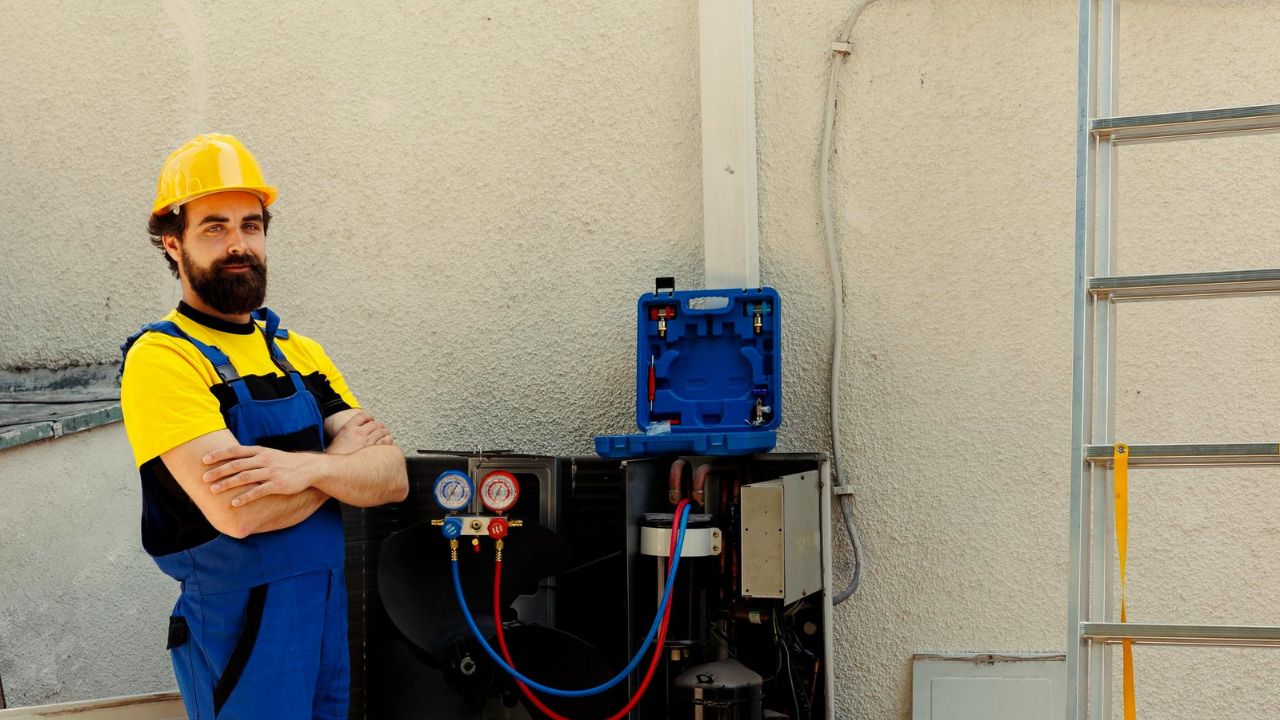
If your heat pump is not heating, don’t assume the worst right away. Start with a few simple checks. Look at the thermostat, filter, power, and outdoor unit first. Sometimes, the fix is easier than you think.
Here’s something many homeowners notice in winter. The air from a heat pump may not feel very hot at the vent. That is normal in many cases. Heat pumps usually blow warmer, softer air than a gas furnace. So instead of judging the system by how the air feels on your hand, watch the room temperature. If your home is slowly getting warmer, the heat pump may be doing its job. But if it keeps running and the house keeps getting colder, that is a clear sign something needs attention.
First, Is Your Heat Pump Actually Not Heating?
Put your hand near a vent, and the air may feel only warm. That alone is not a good test. Heat pumps usually send out lower-temperature air than furnaces, so the air can feel cool against your skin even while it heats the room. Watch the thermostat instead. Give the system time to run, then see whether the indoor temperature is moving toward your setting. That tells you far more than checking the vent for ten seconds.
A few clues help you sort out what is happening:
- The air feels mild, but the room gets warmer: The system may be working normally.
- The air stays cold and the room temperature drops: Start troubleshooting.
- Heat works, then cool air blows for a short time: The unit may be in a normal defrost cycle.
- The system runs almost nonstop but never catches up: Something may be limiting its heating output.
Once you know the house truly is not warming up, work through these five checks.
1. Heat Pump Not Heating? Check the Thermostat First
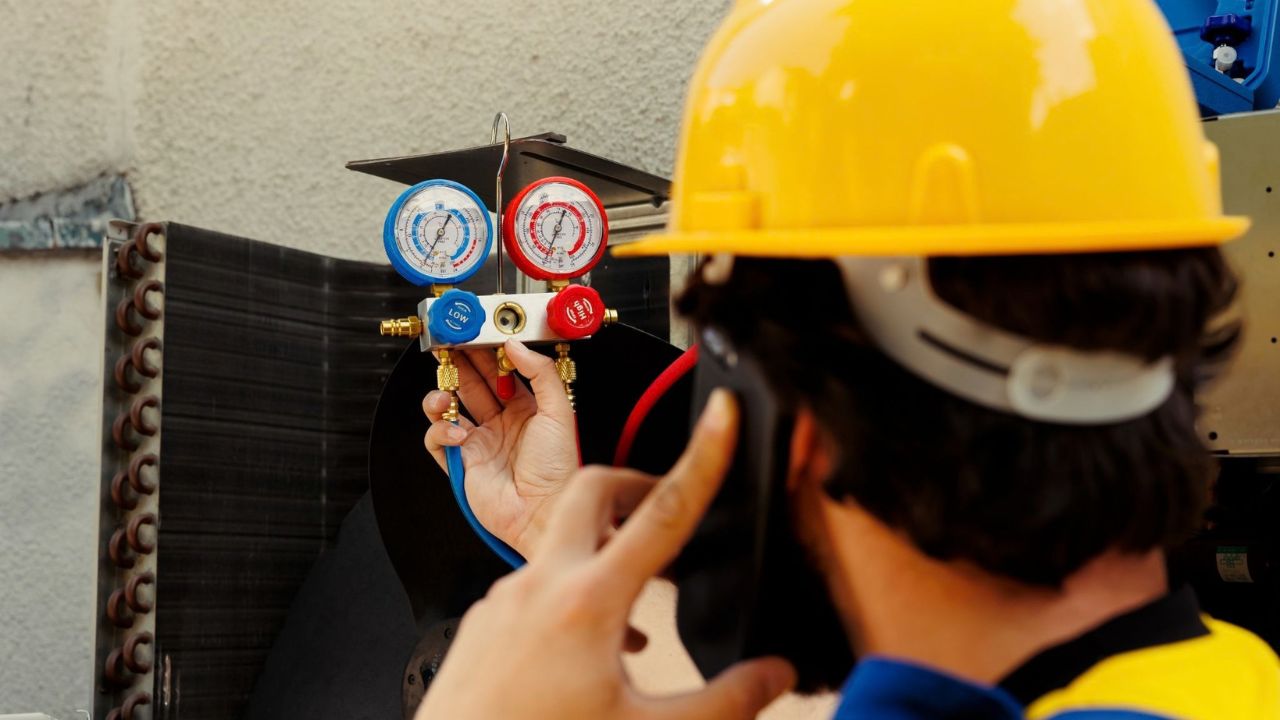
Start with the easiest possibility. Set the thermostat to Heat, then set the fan to Auto. Raise the temperature two or three degrees above the current room temperature and give the system a few minutes.
Why Auto? If the fan is set to On, it can keep moving air even when the heat pump is not actively heating. That room-temperature air may feel cold and make you think the heating system has stopped.
Take a quick look at the thermostat:
- Is it set to Heat rather than Cool?
- Is the fan set to Auto?
- Is a schedule lowering the temperature?
- Is the screen blank?
- Did someone change the settings recently?
If the thermostat calls for heat but neither the indoor nor outdoor equipment responds, the issue may go beyond a setting. Do not start taking panels off. Move on to the safe checks below.
2. Look at the Filter and the Air Coming From Your Vents
A heat pump can make heat and still struggle to warm your house if it cannot move enough air. That is why a dirty filter matters more than many people think. The system has to push air through that filter every time it runs. Pull the filter out and look at it. If it is packed with dust or pet hair, replace it with the correct size. Then walk through the house and make sure the supply vents and return grilles are not blocked.
This is also a useful moment to compare rooms. If one room has strong airflow and another barely gets any, the problem may not be the heat pump itself. Airflow or duct issues may be part of what you are feeling.
Do not jump straight to buying the thickest filter you can find. A filter that is too restrictive for the system can also reduce airflow. Use the type recommended for your equipment.
3. If Nothing Is Running, Check the Power Once
A heat pump not heating and a heat pump that will not start are slightly different problems. If the system is silent, check the electrical panel. Heat-pump systems can have power going to both indoor and outdoor equipment. If you find a tripped breaker, you can reset it once. Then see what happens.
The word once matters here. If the breaker trips again, stop resetting it. A breaker that keeps opening may be reacting to an electrical problem. Repeatedly forcing it back on does not fix the cause and could create a larger repair.
Think about what happened just before the problem started. Was there a power outage? A storm? Did the unit stop in the middle of a normal heating cycle? Those details are useful when you speak with a technician.
4. Step Outside and Look at the Heat Pump
You do not need tools for this check. Just look. Leaves, grass, snow, and other debris can block airflow around the outdoor unit. Clear away loose material and make sure the unit has room around it. Do not open the cabinet or reach inside.
Now look at the coil. A little frost on a cold day is not automatically bad news. Heat pumps can collect frost and then run a defrost cycle to melt it. During that short cycle, you may notice cooler air indoors. You may even see steam outside as the ice melts. A unit covered in thick ice is different.
Call for service when you see things such as:
- Thick ice that does not clear
- Ice that keeps coming back
- An outdoor fan that does not run
- Loud buzzing, grinding, or rattling
- A burning smell
- A house that keeps losing heat
Do not chip ice off the coil with a tool. Do not pour boiling water over it either. Both can turn one problem into two.
5. Heat Pump Not Heating in Cold Weather: Normal or a Problem?
A heat pump not heating in cold weather does not always mean it is broken. Cold weather makes the system work harder. It may also run for longer than usual. Watch the thermostat. If you set it to 70°F and your home stays close to that, the system is likely working fine. If the temperature keeps dropping, the heat pump may need attention.
Some things are normal in cold weather:
- The heat pump runs longer.
- AUX Heat comes on for a short time.
- The outdoor unit goes through a defrost cycle.
- The air from the vents feels warm, not hot.
Emergency Heat is different. It uses backup heat. If you need it often, have the system checked.
What Your Heat Pump Is Doing Gives You Clues
When someone says, “My heat pump is broken,” that can describe five very different situations. The symptom helps narrow down where the problem may be. You do not have to diagnose the failed part yourself.
Use the system’s behavior as your guide:
- Running but not warming the house: Check airflow, outdoor conditions, and whether auxiliary heat is working as expected.
- Blowing cold air all the time: Rule out fan settings and a short defrost cycle first.
- Outdoor unit not running: Check the thermostat and power.
- Heating works but cooling does not, or the reverse: The system needs professional diagnosis.
- Outdoor unit keeps freezing: A defrost, airflow, or system problem may be present.
This is also where DIY troubleshooting should stop. Refrigerant, wiring, sensors, and control issues need proper tools to diagnose. These problems are best left to a trained HVAC technician.
When a Heat Pump Problem Needs an HVAC Technician
If your heat pump is not heating after the basic checks, it is best to stop there. If the breaker keeps tripping or the outdoor unit is covered in ice, stop troubleshooting.
A burning smell or a home that keeps getting colder also means it is time to call a technician.
At Star Services Heating & Air Conditioning, our team provides heat pump service across North Georgia. You can also use our Heating Repair & Service for heat pump problems and 24/7 HVAC support. A little care can also prevent surprise repairs. Regular HVAC maintenance helps spot small problems before they get worse.
Know When It Is Time to Stop Checking
A heat pump not heating can be frustrating, especially when the house is getting colder. The good news is that some problems are simple. A wrong thermostat setting, dirty filter, or blocked outdoor unit may be all that is causing the trouble.
But if you have checked the basics and nothing changes, do not keep guessing. If the breaker trips again, ice keeps building up, or the temperature indoors keeps falling, it is time to get help. You do not need to know exactly what part has failed. You just need to know when the simple checks are no longer enough.
Heat Pump Not Heating FAQs
Why is my heat pump running but not heating the house?
First check whether the indoor temperature is actually rising. Then check the thermostat, filter, vents, outdoor airflow, and outdoor unit. If the system runs for a long time while the house keeps getting colder, have it checked.
Why is my heat pump blowing cool air when the heat is on?
The fan may be set to On instead of Auto. The unit may also be going through a short defrost cycle. If cold air continues and the house loses temperature, the cause needs more investigation.
Is frost on my outdoor heat pump normal?
A light layer of frost can happen during cold weather. The heat pump should normally clear it through its defrost cycle. Thick ice that remains or keeps returning is a reason to call for service.
Why is my heat pump not heating in cold weather?
It may simply be working longer because outdoor temperatures have dropped. But if the house cannot stay near the thermostat setting, the system may need backup heat or professional service.
Should I turn on Emergency Heat?
Emergency Heat is not meant to hide an ongoing heat-pump problem. If you need it because normal heating has stopped, use it according to your system instructions and arrange service.
Can a dirty filter stop a heat pump from heating well?
Yes. A dirty filter can cut airflow through the system. That can leave you with weak heat, long run times, and rooms that never feel comfortable.