
Furnace Won’t Turn On After Summer? 5 Top Fixes for Georgia Homes
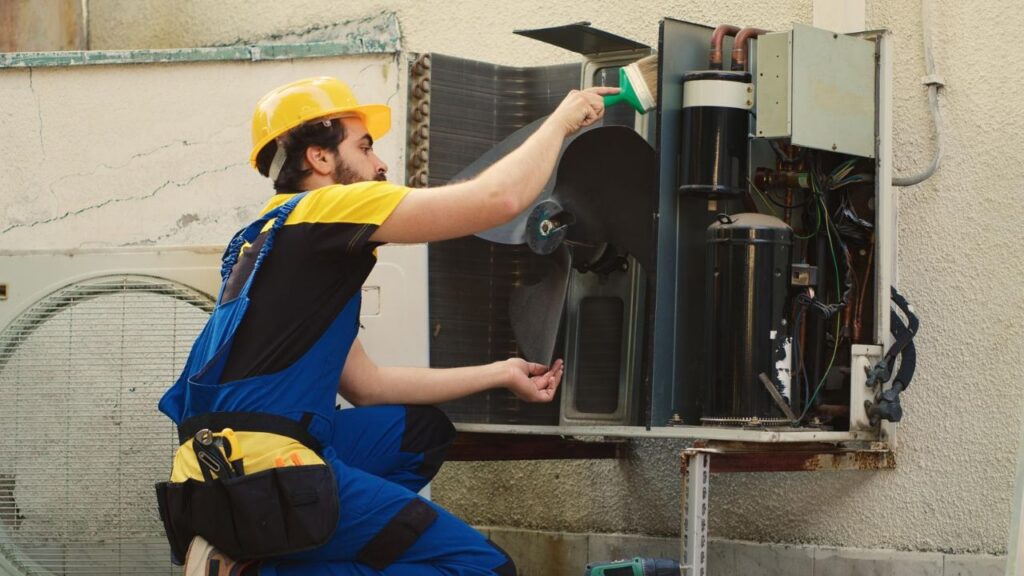
If your furnace won’t turn on after summer, check the thermostat, furnace power, breaker, filter, and access panel first. Those five checks can solve simple first-start problems without touching gas parts or live wiring. If the unit still stays off, clicks without lighting, or starts and stops, it needs a proper diagnosis.
That first cool night can catch a North Georgia home off guard. The furnace may sit quiet for months. Then a cold front hits, you switch to HEAT, and nothing happens. Before you assume the unit is done, notice what it is doing.
Why a Furnace Won’t Turn On After Sitting All Summer
A furnace needs a thermostat call, electric power, working safety controls, and a heat source that starts as designed. If one step fails, the system may stay silent, run only the fan, or shut down again. Summer can hide weak batteries, a bumped switch, or a dirty filter until the first real heat call.
On some high-efficiency furnaces, a drain or venting fault can also interrupt startup. You do not need to diagnose it yourself. Just notice where the startup seems to stop.
First Ask: What Is the Furnace Doing?
No heat can mean several things. One useful question is simple: do you hear anything when the furnace tries to start? The answer helps narrow the next step.
- Nothing happens: Check the thermostat, power, switch, breaker, and panel.
- The fan runs, but air stays cool: Check whether the fan is set to ON instead of AUTO.
- You hear clicks or a hum: The unit may be failing during ignition or a safety check.
- It starts, then stops: Airflow, flame sensing, overheating, or another safety control may be involved.
Do not keep hitting reset. A furnace that shuts itself down may be protecting the system or your home. Find the cause instead of forcing another cycle.
Furnace Won’t Turn On? Start With These 5 Checks
1. Check the Thermostat First
Start at the wall. A wrong mode, low set point, dead battery, or old schedule can make a healthy furnace look broken. Set it to HEAT, raise the set point a few degrees, and wait a few minutes.
Replace weak batteries and set the fan to AUTO. If the thermostat is blank or will not respond, do not pull wires. That problem is better tested with the right tools.
2. Check the Furnace Switch and Breaker Once
Even a gas furnace needs electricity. Look for the service switch near the unit. It often looks like a light switch and can get bumped during cleaning or summer work.
Check the breaker marked furnace, HVAC, or heat. Reset a tripped breaker once by moving it fully off and back on. If it trips again, stop. A repeat trip can point to an electrical or motor fault.
3. Check the Filter, Vents, and Access Panel
A clogged filter cuts airflow and can make a furnace overheat. A safety limit may shut the heat down. After months of Georgia pollen, pet hair, and dust, the filter is easy to rule out.
Replace a heavily loaded disposable filter with the correct size. Keep return and supply vents open. Then make sure the access panel is seated as designed. Many furnaces will not run when that panel is loose.
4. Furnace Won’t Turn On but Fan Works
If the furnace won’t turn on but the fan works, the system has at least some electrical power. First, check the thermostat fan setting. If it is set to ON, the blower can run even when the furnace is not making heat.
Switch the fan to AUTO and call for heat again. If the blower runs but the burners never light, the fault may be deeper in the cycle. Igniters, flame sensors, pressure switches, and gas controls are not good DIY targets. At that point, heating repair is the safer move.
5. Listen to the Startup, Then Know When to Stop
A normal heat call happens in steps. You may hear a small fan, then ignition, then the main blower. Repeated clicks, a hum, or failed start attempts are useful clues, but not a reason to open the burner area.
Do not bypass switches, test live wires, or keep resetting a fault. If you smell gas, see soot, hear a carbon monoxide alarm, or notice a strong burning smell that does not fade, leave the area and follow emergency guidance.
Why Georgia Fall Can Expose a Hidden Problem
North Georgia can stay mild, then turn cold fast. A furnace may sit for months before being asked to run for hours. That first long cycle can expose a weak igniter or airflow problem.
High-efficiency condensing furnaces create water while heating. A blocked condensate path can stop some systems from completing the heat cycle. That is a clue for a technician, not a reason to pull drain lines apart.
Repair It Now or Wait for the Next Cold Night?
If your furnace won’t turn on and comes back after a thermostat, switch, or filter fix, watch the next few cycles. Does it start cleanly? Does it stay on? Does the same fault return?
If the problem comes back, book service before the next cold snap. At Star Services, we offer heating repair and furnace service and 24/7 emergency heating help across North Georgia. Our service areas include Alpharetta, Cumming, Gainesville, Duluth, Johns Creek, Dawsonville, and Buford.
An HVAC maintenance plan can help catch wear, airflow issues, and startup trouble before a cold night. It cannot prevent every breakdown, but planned service beats finding a weak part at 2 a.m.
When a Furnace Won’t Turn On, Call a Pro
There is a clear line between a safe homeowner check and furnace repair. Settings, a filter, a switch, and one breaker are fair. Gas parts, live voltage, motors, and safety devices need proper tools and training.
Call for HVAC service when:
- The breaker trips again.
- The furnace clicks but never heats.
- The unit starts and stops over and over.
- The same fault returns after a reset.
- You hear a bang, grind, or loud buzz.
- You smell gas or a strong burning odor.
- A carbon monoxide alarm sounds.
If the safe checks do not solve the problem, our team at Star Services Heating & Air Conditioning can inspect the heating sequence and find where it fails. A good repair should find what stopped the furnace and why.
FAQs About a Furnace That Won’t Turn On
Why won’t my furnace turn on after summer?
Start with the thermostat. Make sure it is set to HEAT and above the current room temperature. Then check the furnace switch, breaker, filter, vents, and access panel. If nothing changes, the furnace may need professional service.
Why is my furnace fan running but there is no heat?
First, check whether the thermostat fan is set to ON instead of AUTO. If the setting is correct and the blower still runs without warm air, the heating cycle may have an ignition, flame-sensing, gas, or safety problem.
Can a dirty filter stop a furnace from working?
A badly clogged filter can restrict airflow and contribute to overheating or safety shutdowns. Replacing a dirty filter is a simple first check.
Should I keep resetting the furnace?
No, if the breaker trips again or the furnace keeps shutting itself down, stop resetting it. Repeated shutdowns need to be checked rather than ignored.
When should I call an HVAC technician?
Call an HVAC technician if basic checks do not restore heat or the furnace keeps shutting down. Get help right away for repeated breaker trips, strange sounds, or possible gas or combustion problems.