
Emergency Furnace Repair: 7 Urgent Signs You Should Never Ignore
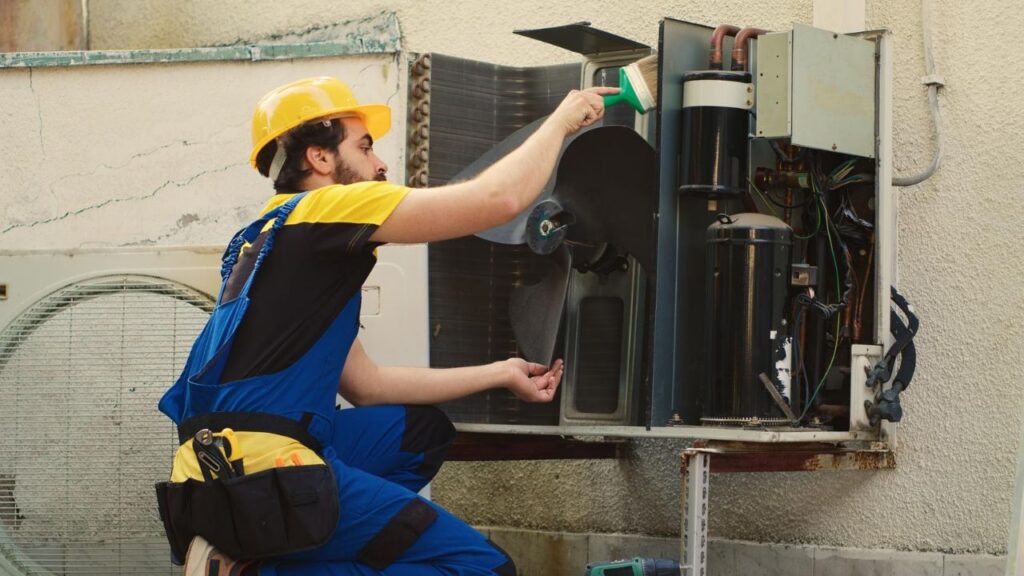
Emergency furnace repair makes sense when a furnace problem puts your safety at risk or leaves your home without dependable heat. Gas smells, carbon monoxide alarms, smoke, and sparks need immediate attention. Other problems may not be dangerous, but they can still get worse if you keep running the furnace.
The hard part is knowing which problem you have. Maybe the heat stopped late at night, or maybe the furnace keeps starting and shutting off. Or perhaps you heard a loud bang that definitely was not there yesterday. Before you start checking parts, figure out how urgent the problem is.
Is Your Furnace Problem an Emergency?
Some furnace problems need a technician soon. Others mean you should get everyone to safety first.
| What you notice | How urgent is it? | What should you do? |
| Gas smell | Immediate | Leave the home and contact the gas utility or emergency services |
| Carbon monoxide alarm | Immediate | Move outside and contact emergency services |
| Smoke or sparks | Immediate | Get to safety and contact emergency services |
| Strong electrical smell | Urgent | Turn the furnace off if safe and get help |
| No heat | Can be urgent | Make basic checks, then call if heat does not return |
| Loud new noises | Needs attention | Stop the system if the noise is severe |
| Furnace keeps shutting off | Needs service | Check the filter, then arrange an inspection |
If there is an immediate safety concern, do not spend time troubleshooting. Get to a safe place first. For heating problems without an immediate danger, a few simple checks may tell you what to do next.
1. You Smell Gas Near the Furnace
A gas smell is one of the easiest decisions on this list. Do not try to find the leak yourself. Leave the home and contact your gas utility or emergency services as appropriate. Follow their instructions before going back inside.
You may notice:
- A rotten-egg or sulfur-like smell
- A strong gas odor near the furnace
- Hissing around a gas line
- An odor that appears when the furnace starts
Do not remove furnace panels or flip switches while investigating a suspected gas leak. Once the immediate danger has been handled, an HVAC technician can inspect the furnace if it may be involved.
2. Your Carbon Monoxide Alarm Goes Off
Carbon monoxide is different because you cannot smell or see it. A working alarm may be your first warning. If the alarm sounds, move everyone outside to fresh air. Then contact emergency services and follow their instructions.
Do not assume the furnace caused the alarm. Other fuel-burning equipment can also produce carbon monoxide. The source needs to be found before normal use resumes. This is also not a situation where opening a few windows and waiting is enough. Get people out first. The furnace can be checked afterwards.
3. Your Furnace Suddenly Stops Heating
A furnace that stops heating is not always a safety emergency. But it can still become urgent on a cold night. North Georgia does get cold spells. If your furnace quits after dark, waiting until the next afternoon may not be practical. That is especially true with young children, older adults, or anyone sensitive to cold in the home.
Before requesting emergency furnace repair, check a few basic things:
- Make sure the thermostat is set to heat.
- Check whether someone changed the temperature.
- Look at the filter and make sure the furnace has power.
If those checks do not fix it, you have reached a sensible stopping point. The fault could involve ignition, airflow, a safety control, the blower, or another internal part. Finding that problem requires more than changing thermostat settings.
4. You Notice a Strong Burning or Electrical Smell
That dusty smell on the first cool morning of fall can happen after the heat has been off for months. It should fade. A sharp electrical smell is different. Pay attention when the smell is new, strong, or keeps returning. The same applies if it gets worse whenever the furnace starts.
A hot motor, wiring problem, or another electrical fault may be involved. You cannot tell which one from smell alone. If you see smoke, scorching, or sparks, stop using the furnace if you can do so safely. Leave the home and contact emergency services if there is a fire or immediate danger. Do not restart the furnace just to see if the smell comes back.
5. The Furnace Suddenly Sounds Different
Most homeowners know what their furnace normally sounds like. You may hear the fan start or air moving through the vents. Then the system shuts down. A sudden bang, grind, scrape, or screech stands out because it breaks that normal pattern. One noise does not tell you exactly which part failed. A loose part, blower problem, motor issue, or another mechanical fault could be involved.
Think about what changed.
- Did the noise begin today?
- Does it happen at startup?
- Has airflow become weaker?
- Is the furnace still heating normally?
- Do you also smell something unusual?
A soft new sound may simply need a service appointment. A violent noise paired with smoke, a burning smell, or loss of heat deserves faster attention.
6. Your Furnace Keeps Starting and Stopping
This one can be easy to ignore at first. The furnace starts, and a few minutes later, it stops. Then it starts again before the house ever feels warm. That repeated pattern is often called short cycling. You do not need to know the term to notice something is off.
Start with the filter. A badly clogged filter can restrict airflow and cause problems. If the filter looks fine, the issue may involve the thermostat, airflow, a safety control, the blower, or another component. Do not spend the evening raising and lowering the thermostat. Repeated shutdowns are the furnace telling you that normal operation is not happening. A technician can test the system and find out why.
7. You See Smoke, Sparks, or Soot
There is not much to debate here. Smoke and sparks are not normal. Soot around fuel-burning equipment also deserves a closer look. Do not clean the area and carry on using the furnace. Removing what you can see does not remove whatever caused it.
Turn the system off if you can safely do so. If you see fire or heavy smoke, leave the house and contact emergency services. After the immediate problem is under control, have the furnace inspected before restarting it.
What Can You Check Before Calling for Emergency Furnace Repair?
Not every cold room needs an emergency service visit. Sometimes the cause really is simple. Give yourself a few minutes for basic checks. There is little value in spending an hour taking things apart.
Check:
- Thermostat mode and temperature
- Thermostat batteries, if required
- Furnace power switch
- Air filter condition
- Open supply vents
- Circuit breaker
If the breaker has tripped, note it. If it trips again, stop resetting it and arrange service. Skip this whole checklist when you smell gas, see smoke, or hear a carbon monoxide alarm. Those are safety situations first.
What Happens During an Emergency Furnace Repair Visit?
Once you call a technician, the first job is finding the actual fault. That matters because two homes can have the same symptom for completely different reasons. “No heat” does not point to one automatic repair.
Depending on the furnace and symptoms, a technician may check:
- Thermostat operation
- Power and electrical parts
- Airflow and filter condition
- Ignition components
- Blower operation
- Safety controls
- Venting and combustion where needed
The technician can then explain what failed and what repair is needed. That conversation matters. You should know what is wrong before agreeing to work on the system. Star Services Heating & Air Conditioning provides heating and furnace repair in North Georgia, including 24/7 emergency heating service.
How Much Does Emergency Furnace Repair Cost?
Emergency furnace repair cost depends on what actually failed. A simple electrical or control issue is very different from replacing a major furnace component. Furnace type, parts, labor, and after-hours service can also change the bill. That is why an online price range only tells part of the story.
When you receive a diagnosis, ask three simple things:
- What failed?
- What does the quoted repair include?
- Is another major repair likely soon?
The third question becomes more important with an older furnace. A cheap repair on an older unit may still make sense. A large repair after several recent breakdowns deserves more thought.
Should You Repair or Replace an Older Furnace?
Age matters, but it should not make the decision by itself. Suppose your furnace is older but has been reliable. One manageable repair may keep it running well. Replacing the whole system automatically would make little sense. Now picture the opposite. The furnace has needed several repairs, another major part has failed, and other components are worn. That changes the conversation.
Look at:
- The current repair cost
- Recent repair history
- Overall furnace condition
- Parts availability
- Heating performance
- Likelihood of another major repair
A technician should be able to explain both options without pushing you toward one.
When Should You Call a North Georgia HVAC Professional?
You do not have to wait until the furnace completely dies. Call when the system suddenly behaves differently, and basic checks do not explain why. No heat, repeated shutdowns, strong smells, and loud new noises are all reasonable reasons to have someone take a look.
At Star Services Heating & Air Conditioning, we provide professional heating repair and 24/7 emergency HVAC service for homeowners across North Georgia. Our service area includes Alpharetta, Cumming, Gainesville, Duluth, Johns Creek, Dawsonville, Buford, and nearby communities. Routine care also gives a technician a chance to spot wear before the furnace quits on a cold night. We offer HVAC maintenance plans for homeowners who want regular system checks.
Gas, combustion, electrical, and internal furnace problems belong with trained professionals. If your furnace is acting differently tonight, you do not need to diagnose every part yourself. Handle any immediate safety risk first. Then let a trained technician tell you whether you are dealing with a small repair or something that needs more attention.
Common Questions About Emergency Furnace Repair
What counts as an emergency furnace repair?
Gas odors, carbon monoxide alarms, smoke, sparks, and serious electrical problems need immediate attention. Complete heat loss may also become urgent during cold weather. Other furnace faults may need prompt service without being an immediate safety emergency.
Can a furnace problem wait until morning?
Some furnace problems can wait until morning. A minor heating change with no safety signs may be able to wait for normal service hours. Gas smells, carbon monoxide alarms, smoke, sparks, or other immediate hazards should never wait until morning.
Should I turn off a furnace that smells like burning?
A brief dusty smell can happen when heat first runs after months of warm weather. A strong or lasting burning smell is different. Turn the furnace off if you can safely do so and arrange professional help.
What should I check if my furnace stops working?
Start with the thermostat, furnace power, air filter, vents, and breaker. Stop there if nothing obvious fixes the problem. Do not open furnace components or attempt electrical, gas, or combustion repairs yourself.
How much does emergency furnace repair cost?
The price depends on the failed part, furnace type, labor, parts, and when service is required. After-hours work may cost differently from a scheduled visit. A diagnosis is the best way to get a meaningful repair estimate.