
AC Condenser Repair: 7 Problems That Get Worse If You Wait
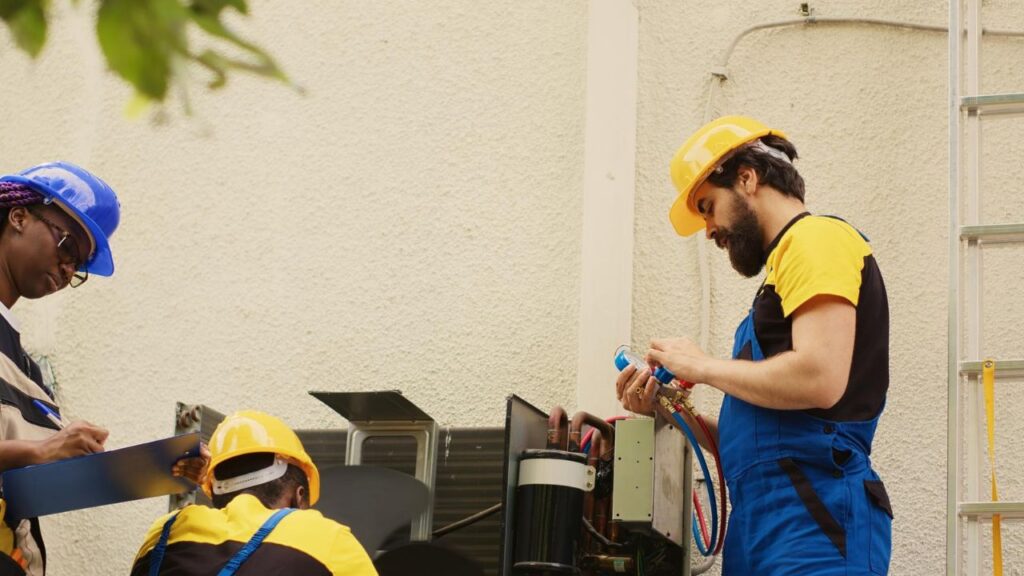
AC condenser repair should be booked as soon as a commercial system shows weak cooling, loud starts, short cycles, or rising power use. The condenser must push heat out of the building. When it cannot, the whole system strains. A small fault can turn into lost trade, hot work areas, or a failed compressor.
That risk feels very real on a North Georgia summer day. A warm office is hard enough. A warm shop, dining room, clinic, or server area can hurt sales, staff focus, stock, and trust. The key question is not, “Can the unit run one more day?” It is, “What could that extra day cost the business?”
What Commercial Condenser Service Usually Includes
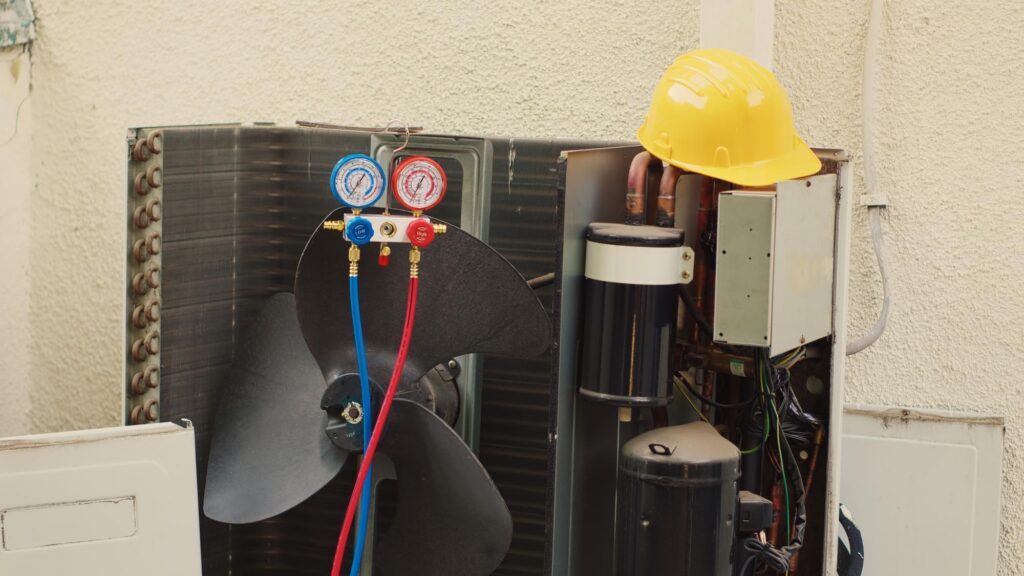
A good service call starts with tests, not guesses. A tech checks pressure, heat, airflow, fan speed, wires, controls, and the refrigerant loop. The team may clear blocked coils, straighten bent fins, find and seal leaks, braze a sound repair, or replace a failed capacitor, contactor, fan motor, or coil.
Refrigerants should not be added as a quick patch to a leaking unit. The leak must be found, fixed, and checked before the charge is set to the right level. EPA rules also guide how refrigerant is handled. Trained techs use the right recovery tools instead of venting gas into the air.
7 AC Condenser Repair Problems That Cost More With Delay
1. A Dirty Coil Becomes a Heat Trap
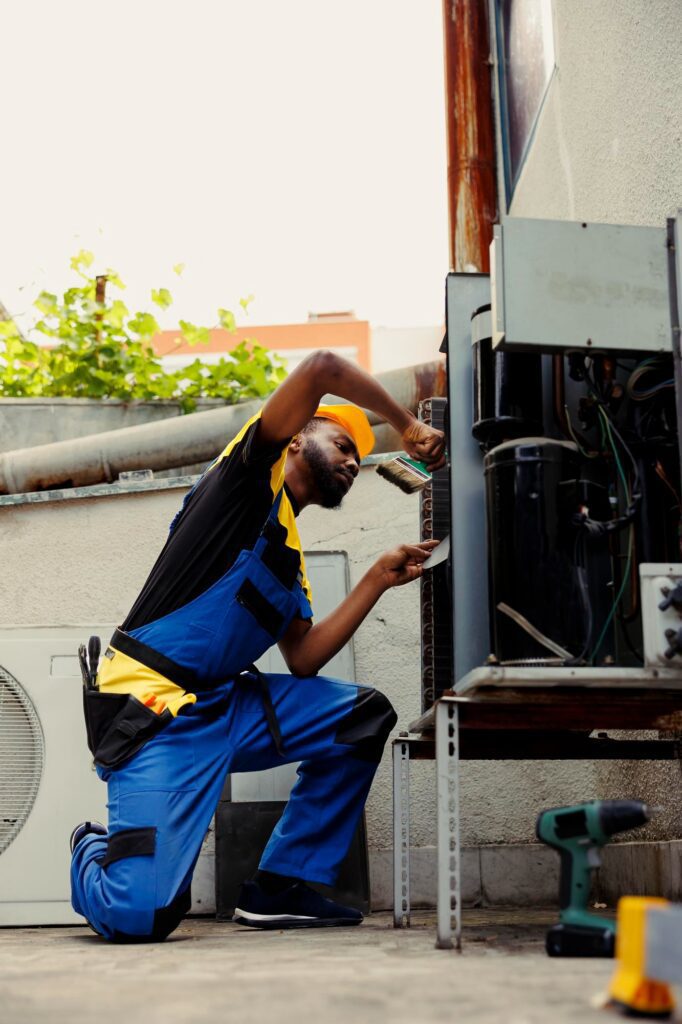
The outdoor coil needs clean air to shed heat. Dust, pollen, grass, grease, and roof grime can pack the fins. The unit then acts like it is wearing a winter coat in July. Cooling drops, run time grows, and the compressor works harder.
This can be easy to miss because the system may still blow some cool air. Yet the power bill can rise while comfort falls. Waiting lets dirt bake onto the coil. It may turn a coil clean into a much larger repair.
2. A Weak Capacitor Can Take Out a Motor
A capacitor gives the fan motor or compressor the push it needs to start and run. When it gets weak, the unit may hum, click, start slow, or stop after a few seconds. Staff may reset the unit and hope for the best. But each hard start adds strain.
Is it worth risking a motor over one small part? Most often, no. A prompt test can show if the capacitor is out of range. That test may help save a far more costly part.
3. A Failing Fan Raises Pressure Fast
The condenser fan pulls air across the coil. If the blade is bent, the motor is weak, or the fan stops, heat stays trapped in the unit. The system may trip, cycle on and off, or shut down in the hottest part of the day.
That stop-start pattern is not a harmless quirk. It can wear controls and put stress on the compressor. For a busy site, one failed fan can soon become a no-cooling call. And it often happens at the worst time.
4. A Refrigerant Leak Keeps Spreading
Low refrigerant is not normal wear. It points to a leak in the sealed loop. The first signs may seem mild. Long run times, warm air, ice, or weak cooling are all red flags.
Adding gas without fixing the leak is like filling a tire with a nail still in it. The loss comes back. Power use can rise, and key parts face more stress. On some large commercial units, federal leak repair and record rules may also apply.
5. Bent Fins Turn Into Blocked Airflow
Condenser fins are thin and easy to crush. Hail, tools, harsh washing, foot traffic, or roof work can fold them flat. A few bent fins may look small. A wide blocked patch can cut heat flow.
The unit then runs longer to do the same job. More run time means more wear and more power use. Timely AC condenser repair can open the air path again. Proper fin work also avoids cuts or new coil harm.
6. Burned Contacts Become a Full Electrical Fault
Contactors, relays, wires, and lugs switch high power each time the unit starts. Heat, age, loose links, and short cycles can pit contacts or burn wire ends. Early clues include chatter, a buzz, a hot smell, or random stops.
This is not a safe place for a quick DIY fix. A loose or burned part can harm the motor, compressor, or board. Keep the unit off if it smells hot or keeps tripping. Then have a trained tech test it.
7. Compressor Strain Becomes Compressor Failure
The compressor is the heart of the cooling loop. Many condenser faults push it too hard. Dirty coils, failed fans, weak capacitors, low charge, and short cycling all add heat or stress. Once inner damage starts, a small repair may turn into a major part change.
This is where delay hurts most. The AC condenser repair cost is often easier to bear when the fault is found early. A clear test lets a manager weigh repair, unit age, lost time, and replacement cost. That is a sound choice based on facts, not fear.
What Affects Commercial AC Condenser Repair Cost?
There is no honest flat price for every business. A small split unit by an office is not the same as a large roof unit above a busy diner. Access, unit size, part stock, gas type, coil damage, crane needs, and night work can all change the price.
Ask for a written fault report before work starts. The quote should say what failed, why it failed, what work is planned, and what other harm may be present. Also ask these four questions:
- Can the part be fixed, or must it be changed?
- Did another fault cause this part to fail?
- Will the work restore safe, steady cooling?
- Does the unit have enough life to merit the spend?
When to Call Star Services for AC Condenser Repair
For commercial sites in North Atlanta and North Georgia, Star Services Heating & Air Conditioning lists roof unit service, planned care, emergency repair, fast response, and flexible booking. Our licensed team offers 24/7 help, clear prices, and work aim at low business downtime. Book AC condenser repair when the unit is loud, hot, leaking, slow to start, short cycling, or unable to hold the set point.
A condenser rarely fixes itself. It gives small signs first, then sends a much larger bill. When a business needs cool, steady air each day, how much sense does it make to wait for a warning to become a shutdown?