
AC Compressor Not Working? Don’t Make These 5 Mistakes
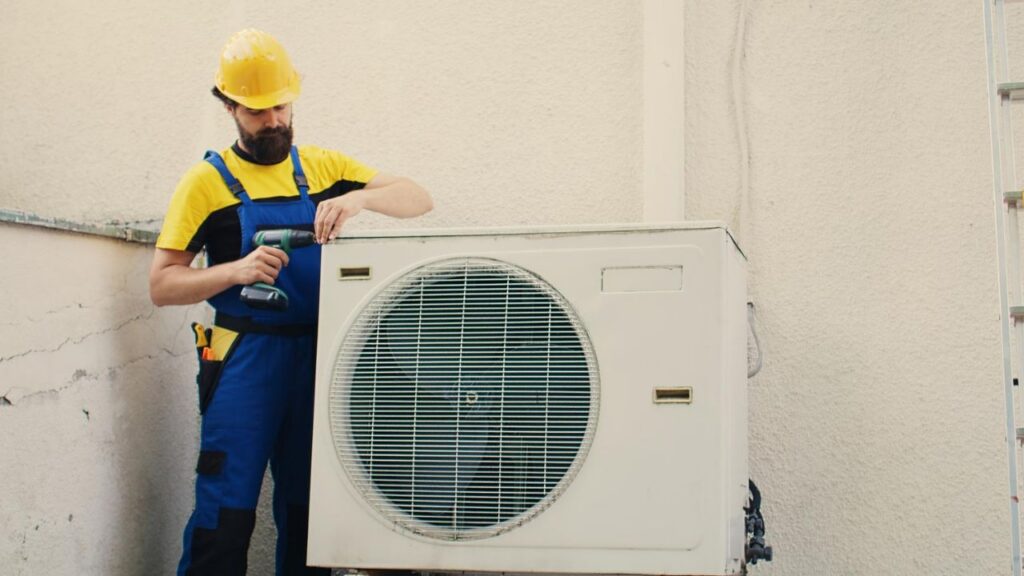
An AC compressor not working can stem from lost power, a bad control part, poor airflow, low refrigerant, or damage inside the unit. The right fix starts with a full test, not a guess. That matters in a busy shop, office, or plant. Lost cooling can halt work fast.
The compressor moves refrigerant through the cooling loop. When it stays off, the indoor fan may still blow warm air. The space may also feel damp. So, when the AC is on, but the compressor is not working, do not assume the worst at once.
AC Compressor Not Working: Why Diagnosis Comes First
A silent outdoor unit can point to many faults. The thermostat may not call for cooling. A fuse, breaker, contactor, capacitor, safety switch, or control board may block power. Low refrigerant, a dirty coil, or a failed fan can also force a shutdown.
A good tech checks the whole system first. The tech reads volts, amps, pressure, heat, and control signals. This shows whether the compressor caused the fault. It may just be the part that stopped last.
5 Mistakes to Avoid When Your AC Compressor Is Not Working
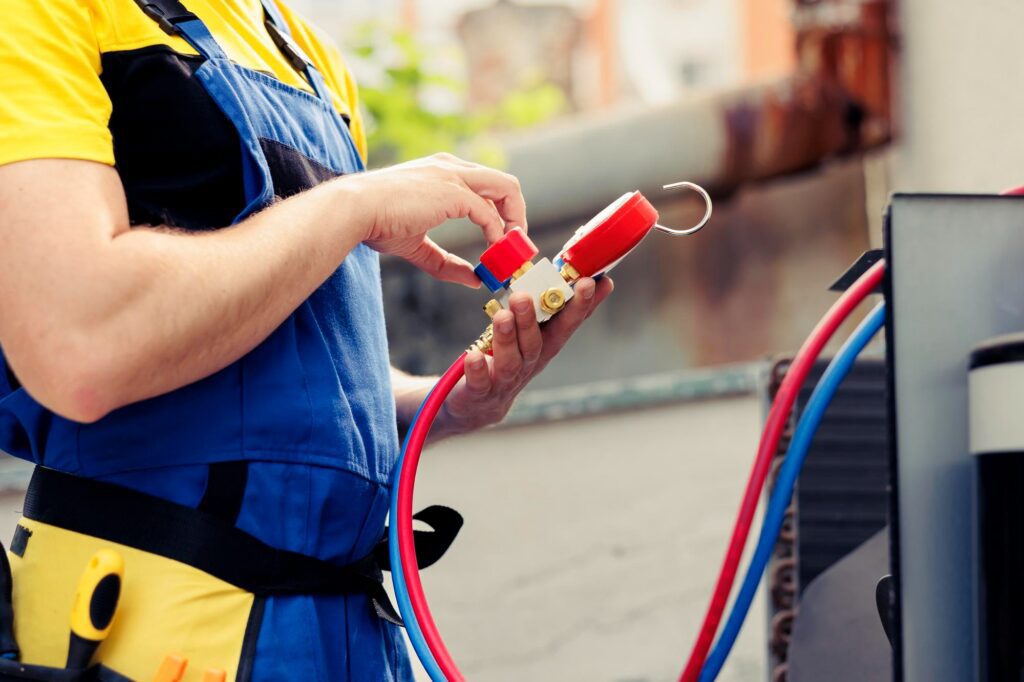
A compressor fault can look simple, but the wrong next step may cause more damage and raise repair costs. Avoid these five common mistakes before deciding whether your commercial AC needs a small repair, a new compressor, or full replacement.
Mistake 1: Calling the Compressor “Dead” Too Soon
It is easy to hear no hum and think, “The compressor is dead.” Yet a small start part can cause the same sign. A weak capacitor may not give the motor the push it needs. A worn contactor may fail to pass power.
Before anyone prices a new compressor, the cause should be proven. A sound check should cover:
- Cooling call: Is the control asking for cooling?
- Power path: Is the right voltage reaching the unit?
- Start parts: Are the capacitor and contactor sound?
- Safety chain: Has a pressure or heat switch opened?
- Motor state: Are the windings open, shorted, or grounded?
When an AC compressor not working issue is traced in this order, the repair plan is clearer. It also gives the owner a fair base for a cost talk.
Mistake 2: Resetting the Breaker Again and Again
One reset can seem like a quick win. But a breaker that trips again is a red flag, not a rude switch. It may point to a short, locked motor, bad wire, or failed start part. Each new reset can add heat and stress.
A tripped breaker or blown fuse may show an electrical fault in the compressor. Do not turn the unit back on before proper tests are done.
Use this safer response:
- Note the trip: Record the time and any sound, smell, or fault code.
- Turn cooling off: Stop repeat start attempts.
- Keep clear: Do not touch panels, wires, terminals, or capacitors.
- Book service: Let a tech test the power path first.
Can this wait until Monday? A repeat trip, burnt smell, smoke, or harsh noise says no. Keep staff away from the unit until help arrives.
Mistake 3: Ignoring Dirt, Heat, and Poor Airflow
A compressor works hard on a hot North Georgia day. Add pollen, dust, or grease to the outdoor coil. Heat can no longer leave as it should. A bad fan can cause the same jam.
Poor airflow indoors can also hurt cooling. Dirty filters and blocked coils can lead to weak air, ice, and long run times. Carrier and Trane list these faults among common causes of poor cooling or a unit that will not run.
Look for simple signs, but do not take the unit apart:
- Weak air from vents
- Ice on a line or coil
- A still outdoor fan
- Fast starts and stops
- A hot or burnt smell
- Long gaps since filter or coil service
Planned care pays off in a commercial space. A clean system can shed heat with less strain. It is better set for the next hard summer run.
Mistake 4: Adding Refrigerant Without Finding the Leak
Warm air and ice often make people ask for “a quick recharge.” But refrigerant is not fuel that the AC burns. A low charge often points to a leak or a past setup error. Adding more without finding the cause can waste money.
A trained tech should test the charge, find the leak, and judge if it can be fixed. EPA rules require certified technicians for work that may open the refrigerant loop or release refrigerant.
If the AC is on but the compressor is not working, and ice is present, turn cooling off. Do not chip the ice or add store-bought gas. Let the system thaw and have it checked.
Mistake 5: Choosing Repair or Replacement Too Soon
“Is this worth the money?” is the right question. It is just not the first one. A new capacitor on a sound unit is not the same as a grounded motor in an old rooftop system. Age, labor, warranty, power use, and lost work time all matter.
Ask for a clear test result and two paths when both make sense:
- Repair now: Best for a failed control part, wire, fan, or repairable leak.
- Replace the compressor: May fit when the rest of the unit is sound.
- Replace the system: May fit when it is old or has several major faults.
- Plan the work: Ask about downtime and short-term cooling.
- Check the cause: Protect the new part from the old fault.
A rushed quote can miss the first fault in the chain. If that fault stays, it may harm the next compressor too. Good service does not just swap a part. It explains why the part failed.
What Can You Check Before Booking Service?
A few safe checks can help the tech and speed the call. Stay outside all live panels. Do not cut seals or open refrigerant lines. Focus on facts that are safe to see and share.
- Set the thermostat or main building control to cool.
- Note any alarm code or warning light.
- Check whether the filter is packed with dust.
- Make sure vents are not blocked.
- Note odd sounds, smells, ice, or water.
- Record when the AC compressor not working problem began.
- Share recent storms, power cuts, roof work, or heat.
- Say whether the unit short-cycled first.
Those facts can point the test in the right way. They may also cut time spent chasing a fault that comes and goes.
Commercial AC Compressor Service in North Georgia
When an AC compressor not working stops a business, each hour counts. We at Star Services Heating & Air Conditioning offer commercial AC diagnosis and repair. You can also call our team for system replacement, installation, and planned maintenance for North Georgia businesses. Our licensed technicians provide 24/7 emergency support in Alpharetta, Cumming, Gainesville, Duluth, Johns Creek, Dawsonville, Buford, and nearby areas.
Start with the Star Services Heating & Air Conditioning website or review our AC repair and installation services. Commercial AC repair from us is for business and commercial properties. A proper test can show whether the fix is small, major, or not the compressor at all.
The loudest part is not always the first part that failed. Will the next service call replace a part, or find the cause that shut the whole system down?