
How Long Does a Geothermal Heat Pump Last? 5 Hidden Factors
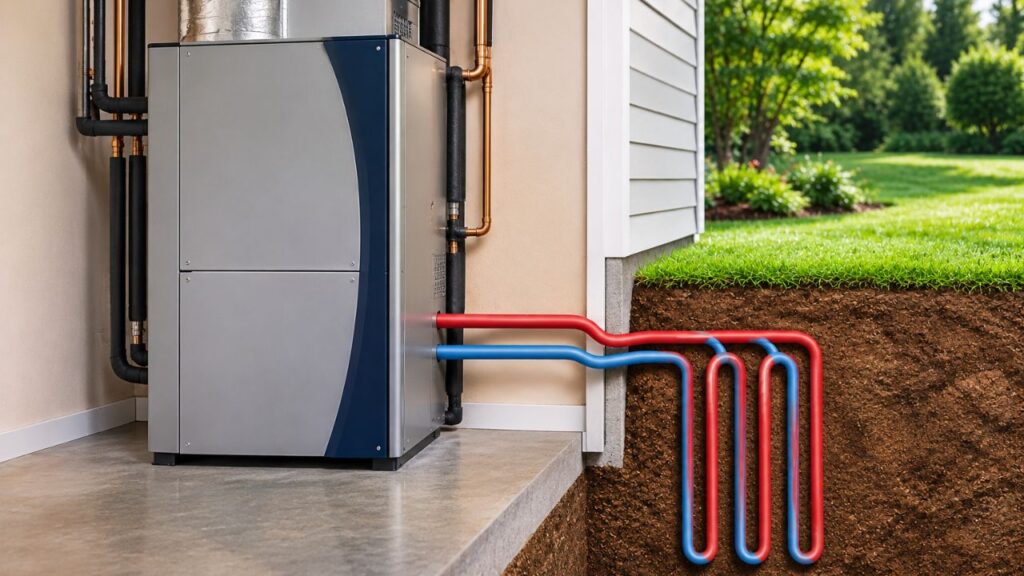
A geothermal heat pump can last 20 to 25 years, while its underground pipes may last 50 years or more. That’s a long time for a heating and cooling system. Still, some units wear out sooner. Poor installation, missed maintenance, and worn parts can all shorten their life.
What if your system is already 20 years old? Do you need to start saving for a new one? Not if it’s still working well. At Star Services Heating & Air Conditioning, we help North Georgia homeowners with heating and cooling problems. Here’s what affects your system’s lifespan and what to check before paying for repairs or replacement.
How Long Does a Geothermal Heat Pump Last Compared to Other Systems?
Geothermal systems use the ground to help heat and cool your home. Since temperatures underground stay fairly steady, they don’t face the same outdoor temperature swings as regular air-source heat pumps. Most of the main equipment also stays inside, away from rain and ice. The indoor unit and underground pipes have different lifespans.
| Component | Typical lifespan |
| Indoor geothermal heat pump | 20–25 years |
| Underground ground loop | 50 years or longer |
| Standard air-source heat pump | Often 10–15 years, sometimes longer |
These are estimates, not fixed replacement dates. The U.S. Department of Energy reports that indoor geothermal equipment can last more than 20 years. If your indoor unit fails after 23 years, the buried pipes may still be fine. A geothermal specialist can check whether they’re suitable for a new unit. You may not need to replace the whole setup.
5 Hidden Factors That Affect Geothermal Heat Pump Lifespan
1. The Unit Wasn’t Sized Properly
A geothermal heat pump needs to match the size and heating needs of your home. Installing a bigger unit doesn’t mean you’ll get better results. An oversized system may switch on and off too often. A smaller unit may struggle to keep up when temperatures rise or fall. Both problems can affect comfort and put extra strain on the equipment.
You might notice:
- The system starts and stops frequently.
- Certain rooms stay too warm or cold.
- It takes longer than usual to reach the set temperature.
- Electricity use seems high.
These signs can also come from dirty filters or airflow problems. A technician needs to check the cause before blaming the unit’s size.
2. Maintenance Has Been Put Off
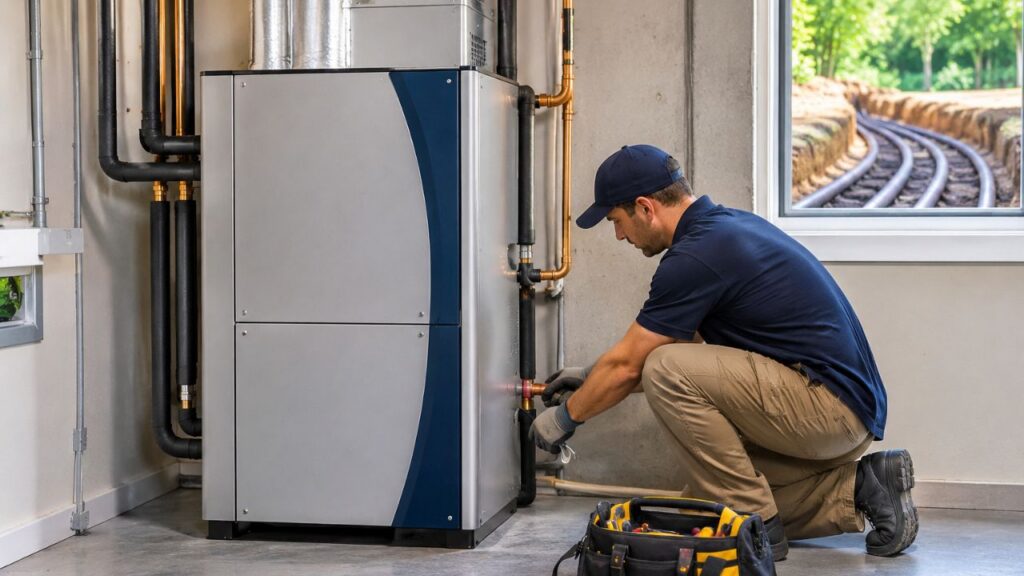
You probably don’t think much about your heat pump when the house feels comfortable. It’s easy to miss a service visit, especially when nothing seems wrong. But small issues can build up. A clogged filter restricts airflow. Loose electrical connections may cause faults. Poor fluid circulation can affect how well the system heats and cools.
During maintenance, a technician may check:
- Filters and airflow
- Electrical connections
- Heating and cooling performance
- Ground-loop fluid flow and pressure
- Leaks or worn parts
The exact work depends on your system. Follow the manufacturer’s service schedule rather than waiting for something to break.
3. The Underground Loop Has a Problem
Most geothermal ground loops are designed to work for decades. They’re buried below the surface, where they’re protected from everyday weather. But problems can still develop. A leak or circulation fault may stop the system from moving enough heat. Your home might take longer to warm up, even though the thermostat hasn’t changed.
Does that mean someone needs to dig up your yard? Not necessarily. The issue could be a circulation pump, valve, or another accessible part. A geothermal technician can test the loop before recommending repairs. If the buried pipes are sound, they may still be usable when the indoor unit needs replacing.
4. Your House Loses Too Much Heat
Imagine two homes in Alpharetta with similar geothermal systems. One has good attic insulation and sealed windows. The other has gaps around its doors and poor insulation upstairs.
The second house needs more heating in winter and more cooling in summer. Its heat pump has to meet that extra demand. North Georgia’s humid summers can make poor insulation and air leaks more noticeable. Before assuming the heat pump is losing efficiency, check the house itself.
A few things can help:
- Seal gaps around windows and doors.
- Keep vents and return grilles clear.
- Check whether attic insulation needs work.
- Use steady, sensible thermostat settings.
These changes may lower energy use and reduce unnecessary strain. They can also make rooms more comfortable without changing the heating equipment.
5. Major Parts Are Wearing Out
A geothermal heat pump has several working parts. The compressor moves refrigerant through the system. Pumps circulate fluid, while electrical controls manage operation. These parts don’t all wear out at once. One may fail while the rest of the equipment is still in good condition.
Suppose your heat pump is 21 years old and needs a compressor replacement. That’s a much bigger decision than fixing a loose connection. Before approving an expensive repair, ask how much life the other components may have left. The technician should also check the system’s overall performance and whether replacement parts are available.
Does Geothermal Heating Cost More Per Month as It Gets Older?
Not always. An older heat pump can still run efficiently. But if a part starts failing, the system may use more electricity to do the same job. Your geothermal heating cost per month depends on your home’s size, insulation, local electricity rates, and heating needs.
Here’s a simple example: If the heat pump uses 400 kilowatt-hours in a month and electricity costs $0.15 per kilowatt-hour, the cost is $60. That’s an example, not a typical monthly bill. You would need to know how much electricity the heat pump actually uses.
Check your bills from the same month in previous years. Look at electricity use rather than just the total amount charged. Higher rates or colder weather can increase your bill even when the system is working normally. If energy use keeps climbing without an obvious reason, arrange an inspection.
Is It Better to Repair or Replace an Old Geothermal Heat Pump?
There’s no rule saying you must replace your heat pump after 20 years. The decision depends on what’s wrong and how much it will cost to fix. A minor repair may be worth paying for, even on an older system. A major failure deserves more thought.
| What you’re dealing with | What to consider |
| Small electrical fault | Repair may be enough |
| System works well at 20 years | Continue regular maintenance |
| Compressor failure on an older unit | Compare repair and replacement quotes |
| Indoor unit fails, ground loop is sound | Ask about reusing the loop |
| Several costly repairs in one year | Consider replacement |
Check the warranty before paying for major work. Some parts may have different coverage periods. And don’t assume you need new underground pipes. If the existing loop passes inspection and is compatible with the replacement equipment, it may be possible to keep it.
Frequently Asked Questions
Can a geothermal heat pump last 30 years?
Yes. Some systems reach 30 years or more, though that’s beyond the usual expected lifespan of the indoor equipment. The condition of the main parts matters more than age alone.
How often should a geothermal heat pump be serviced?
An annual professional check is a good starting point. Follow the manufacturer’s instructions for your specific model. Air filters may need attention more often.
What are the signs of a failing geothermal heat pump?
Watch for unusual noises, repeated shutdowns, poor heating or cooling, and unexplained increases in electricity use. These symptoms can have several causes, so have the system checked before deciding it needs replacement.
Book Professional HVAC Services in North Georgia
If your heating or cooling system isn’t working as it should, find out what’s causing the problem before spending money on new equipment. At Star Services Heating & Air Conditioning, we help homeowners in Alpharetta, Cumming, Gainesville, and nearby North Georgia communities. Our services include heating repair and heat pump services and HVAC maintenance plans. For geothermal equipment, contact our team first to confirm whether we service your particular system.
Your heat pump may be getting older, but that doesn’t mean it’s finished. What matters is how well it’s working today and what it will cost to keep it running.