
Heat Pump vs Furnace: 5 Key Differences for a Better Choice
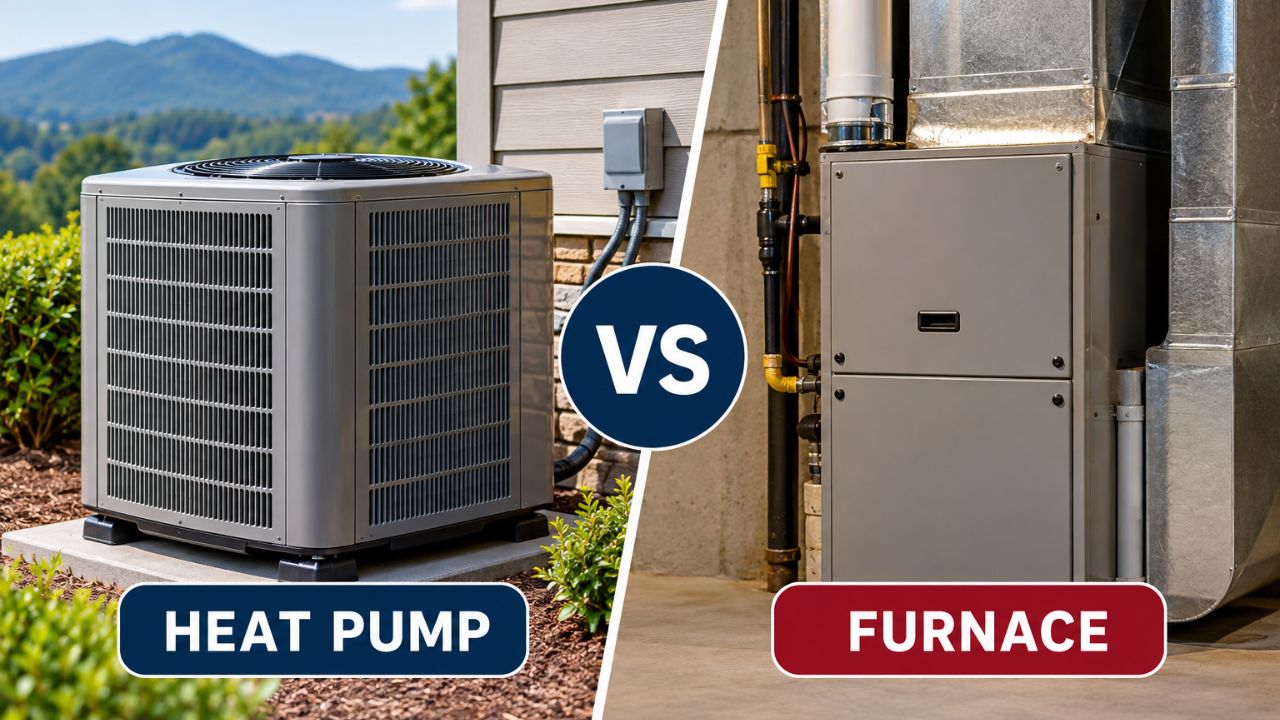
Heat pump vs furnace: which is better for your North Georgia home? A heat pump can heat and cool your house. But if you already have a gas furnace and a newer AC, replacing just the furnace may cost less.
Maybe your old furnace keeps breaking down. Or your heating bills keep going up. Should you buy another furnace or switch to a heat pump? It depends on your home, budget, and current system. At Star Services Heating & Air Conditioning, we help North Georgia homeowners with heating and cooling services. Here’s what to know before choosing a new system.
What Is the Difference Between a Heat Pump and a Furnace?
A furnace makes heat. A gas furnace burns fuel to heat your home. An electric furnace uses electricity. Both send warm air through the vents. A heat pump takes warmth from outside and brings it into your home. Even when it’s cold outside, there’s still heat it can use. In summer, it works like an air conditioner and moves heat out of your home.
Here’s how they compare.
| Feature | Heat Pump | Furnace |
| Heating | Moves heat indoors | Makes heat |
| Cooling | Yes | Needs a separate AC |
| Energy source | Electricity | Gas, electricity, or other fuel |
| Winter performance | Depends on the model and temperature | Gas models provide steady heat |
| Lifespan | Often 10–15 years or longer | Often 15–20 years or longer |
| Best for | Homes needing heating and cooling | Homes with an existing furnace setup |
Neither option is always cheaper or better. The condition of your current equipment makes a big difference.
1. Heat Pump vs Furnace Cost: Which Costs Less?
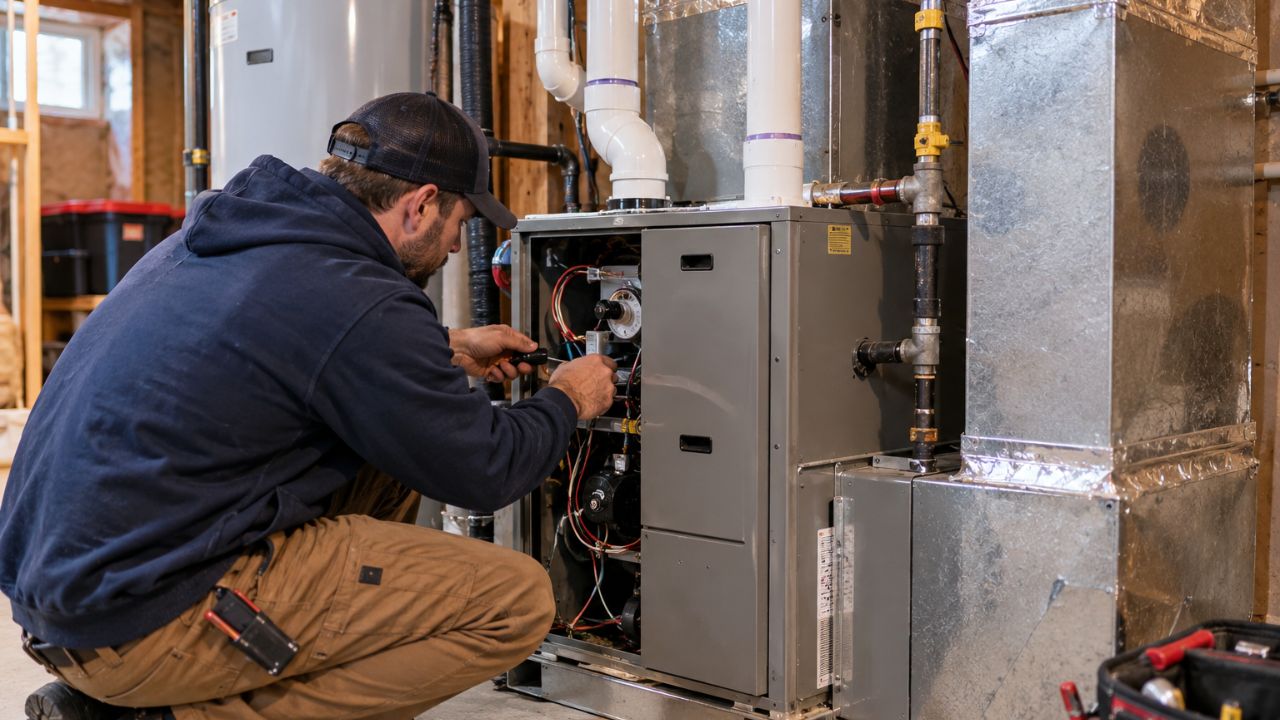
If your heating system has stopped working, the price of a new one is probably your first concern. But the cheapest quote isn’t always the best deal. You also need to think about what the system will cost to run.
A heat pump may cost more to install than a basic gas furnace. But it also replaces the need for a separate air conditioner. That changes the math if both your heating and cooling systems are old.
Think about what you already have. Say your furnace is worn out, but your AC is only four years old. Replacing the furnace alone may save you money. There’s little reason to replace a working AC unless your technician finds a problem or the new setup requires it. Now say both systems are 15 years old. Getting a quote for a heat pump makes more sense. You’re already looking at replacing two pieces of equipment.
What About Monthly Heating Bills?
Heat pumps can use less energy because they move heat instead of making it. In North Georgia’s milder winter weather, that can work in your favor. But if you have access to low-cost natural gas, a high-efficiency gas furnace may be cheaper to run. Your home’s insulation and the size of the system matter too.
Before choosing, ask for:
- A quote to replace your furnace only.
- A quote for a heat pump, including any needed changes.
- An estimate of yearly heating and cooling costs.
- A clear list of what’s included in the installation.
2. Which Works Better in North Georgia Winters?
North Georgia has plenty of mild winter days. But if you live near Blue Ridge or in a higher part of the mountains, you know how cold the nights can get.
So, can a heat pump handle those temperatures? Yes, a properly sized heat pump can heat many North Georgia homes through winter. Modern cold-climate models can work even when outdoor temperatures fall well below freezing.
Older heat pumps may struggle more during a cold snap. Some systems also use backup electric heat when needed. That extra heat can increase your power bill. A gas furnace works differently. It makes its own heat, so its heating output doesn’t depend on pulling warmth from the outdoor air.
Here’s what matters most:
- Milder areas: A heat pump may handle most or all of your heating needs.
- Colder mountain areas: Ask whether a cold-climate model is needed.
- Homes with natural gas: Compare a gas furnace with a heat pump before deciding.
- Homes with frequent cold spots: Have the insulation, ducts, and airflow checked.
Don’t choose a system based only on the square footage of your home. A technician should calculate how much heating your house actually needs. This is often done with a Manual J load calculation. An oversized or undersized system can cause comfort problems, even if you buy an expensive model.
3. Which Lasts Longer and Needs Less Maintenance?
A furnace often lasts around 15 to 20 years. A heat pump commonly lasts around 10 to 15 years, though either system may last longer with good care. One reason heat pumps may wear out sooner is that they work through both summer and winter. A furnace usually gets a break once the heating season ends.
Still, age alone doesn’t tell you when to replace a system. You might have a 16-year-old furnace that works fine. Or a much newer unit that needs repairs every few months. The second one may be costing you more trouble.
Both systems need regular maintenance.
- Heat pumps: Clean or replace filters, keep the outdoor unit clear, and schedule routine checks.
- Gas furnaces: Replace filters and have the burners, heat exchanger, and safety parts inspected.
- Both systems: Watch for weak airflow, odd noises, and rooms that don’t heat evenly.
If your furnace keeps shutting off or your heat pump struggles to maintain the set temperature, have it checked before assuming you need a replacement. Sometimes a repair is all it takes.
4. Which Is Better for Heating and Cooling?
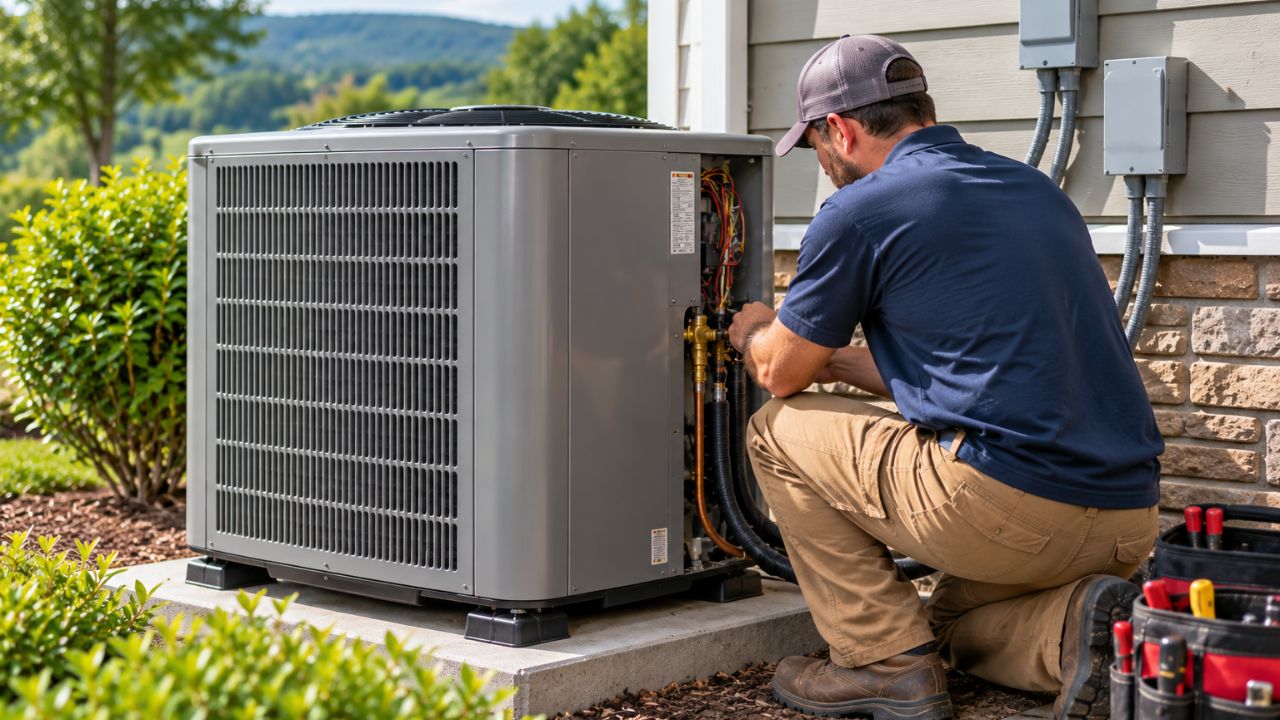
Think about a hot July afternoon in North Georgia. Your AC has been running since lunch, and you’re trying to keep the house comfortable. A heat pump does that job too. It cools your home in summer and heats it in winter. You don’t need a separate central air conditioner. A furnace only handles heating. You’ll still need an AC when summer arrives.
There’s also a difference in how the heat feels. A gas furnace sends hotter air through your vents. A heat pump usually sends out air that’s warm but not as hot. It may also run for longer periods to keep the room at a steady temperature.
If you’re used to a gas furnace, the air from a heat pump might feel cooler at first. That doesn’t mean it’s failing to heat your home. And if one bedroom stays cold while the rest of the house feels fine, buying a new system may not fix it. The problem could be a blocked duct, poor insulation, or air leaking around the windows.
It’s worth checking those things before spending thousands on new equipment.
5. Which Should You Choose for Your Home?
The best choice often comes down to what you’re replacing. If you have an old gas furnace and a newer AC, another furnace may be the simpler and cheaper option. You can keep your cooling system and replace only what needs attention.
If both systems are getting old, a heat pump is worth pricing. You may be able to handle heating and cooling with one new system. And if your home uses electric resistance heat or propane, switching to a heat pump could lower your heating costs. The savings will depend on your local energy rates and the equipment you choose.
When Does a Heat Pump Make More Sense?
- You need to replace both heating and cooling equipment.
- Your home doesn’t have a natural gas connection.
- You want to compare more efficient electric heating options.
- Your home is a good fit for a properly sized heat pump.
When Might a Furnace Be Better?
- You already have natural gas.
- Your air conditioner is still in good shape.
- You want to replace only your heating equipment.
- A furnace replacement fits your budget better.
There’s one more option worth asking about.
Can You Have Both a Heat Pump and a Furnace?
Yes. This is called a dual-fuel system. The heat pump warms your home on mild days. When it gets too cold, the gas furnace takes over. It’s a good option for homes with natural gas, but it may cost more to install.
Get Professional HVAC Services in North Georgia
Still trying to decide between a heat pump and furnace? Start by having your current system checked. At Star Services Heating & Air Conditioning, we help North Georgia homeowners with furnace services, heat pumps, and other heating and cooling needs.
If your system isn’t keeping the house warm, our heating repair services can help you find out what’s wrong. You may only need a repair. If replacement makes more sense, we can help you look at your options. Before you spend money on a new system, ask what can stay, what needs replacing, and how much each option may cost to run.
Contact Star Services to discuss your HVAC needs. Why replace more equipment than you need to, or keep paying to repair a system that’s past its best years?