
Fall Furnace Maintenance Checklist: 5 Steps Before Winter
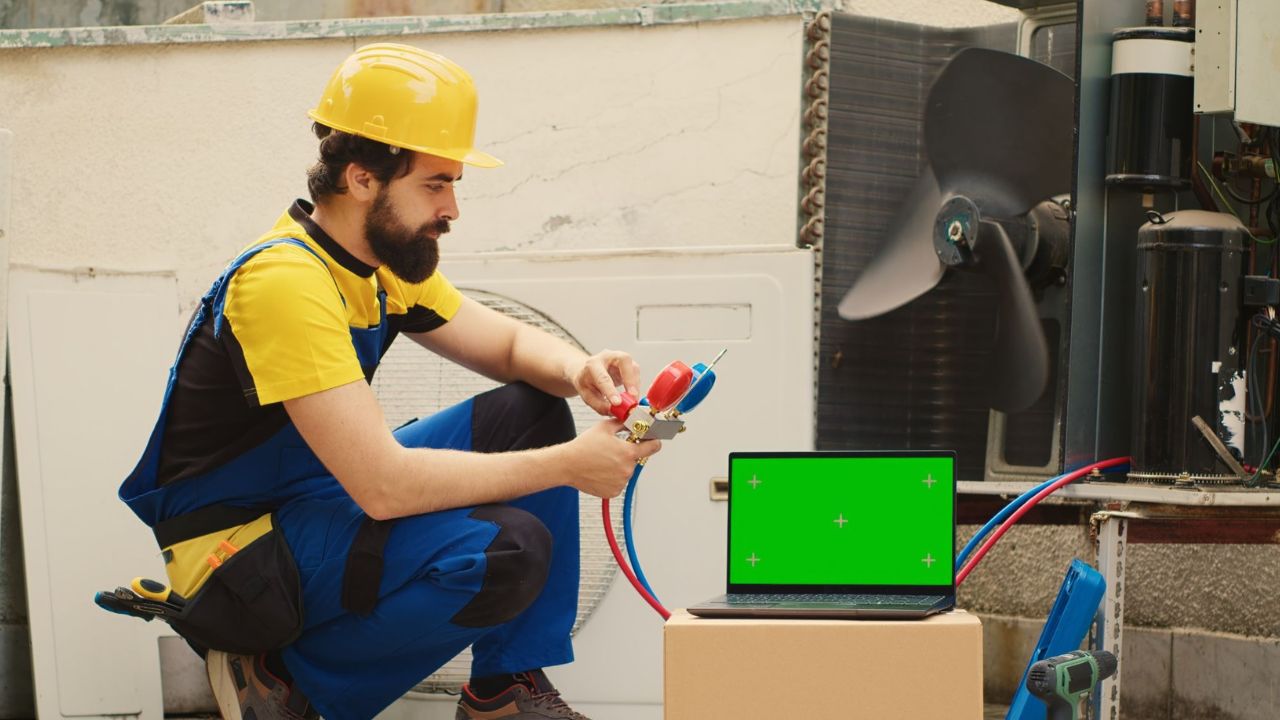
Fall furnace maintenance is best done before you need heat every day. Start by checking the filter, thermostat, vents, and how the furnace runs. Then have a trained HVAC technician inspect the parts you cannot safely check yourself. These include the burners, gas connections, electrical parts, safety controls, and heat exchanger.
That timing matters in North Georgia. Fall can stay warm for days, so heating problems are easy to ignore. Then a cold night arrives, you turn the heat on, and the furnace that sat quiet for months has to work for hours.
At Star Services Heating & Air Conditioning, we often find systems that have been losing performance over time. They rarely fail without showing warning signs first. Catching those changes before winter gives you more time to deal with them.
A Quick Fall Furnace Maintenance Checklist
Before the first real cold spell, check the things you can safely reach and leave internal furnace work to a professional.
Things you can check at home:
- Look at the furnace filter.
- Turn the heat on and test the thermostat.
- Open supply vents and clear return grilles.
- Move boxes and stored items away from the furnace.
- Listen for new bangs, rattles, or grinding sounds.
- Notice any strong or unusual odor.
- Test your carbon monoxide alarms as directed by the maker.
Things an HVAC technician should check:
- Burners and ignition parts
- Gas or oil connections
- Gas pressure and combustion
- Heat exchanger
- Electrical connections
- Blower and airflow
- Furnace controls and safety shutoffs
ENERGY STAR recommends having heating equipment checked before the heating season and says filters should be inspected regularly during periods of heavy use.
1. Start With the Furnace Filter
A filter is easy to forget because the furnace may still run when it gets dirty. The problem is that the system has to pull air through all that dust. Take the filter out and look at it under a light. If you see a thick layer of dirt or the material looks packed, replace it. Wash reusable filters only if the manufacturer says they are designed for cleaning.
Don’t rely only on the date you wrote on the filter frame. A home with pets, renovation dust, or a lot of HVAC use may dirty a filter faster. ENERGY STAR advises checking heating and cooling filters monthly and cleaning or replacing them when dirty. A clogged filter can make the equipment work harder and can contribute to early equipment problems.
Changing a filter will not fix every airflow problem, though. If the new filter is in place and you still get weak air from several vents, something else may need attention.
2. Test the Heat Before You Actually Need It
Don’t make the first freezing morning your furnace test. Set the thermostat to Heat and raise the setting a few degrees above the room temperature. The furnace should start, warm air should reach the rooms, and the system should eventually shut off after reaching the set temperature.
Give it time. You’re looking at the whole heating cycle, not just whether you hear the furnace turn on. Pay attention to what happens while it runs. Does it start and stop every few minutes? Is one part of the house still cold? Has the airflow become weaker than you remember? Those details are useful because “the heat works” and “the furnace works well” are not always the same thing.
3. Check Vents, Returns, and the Space Around the Furnace
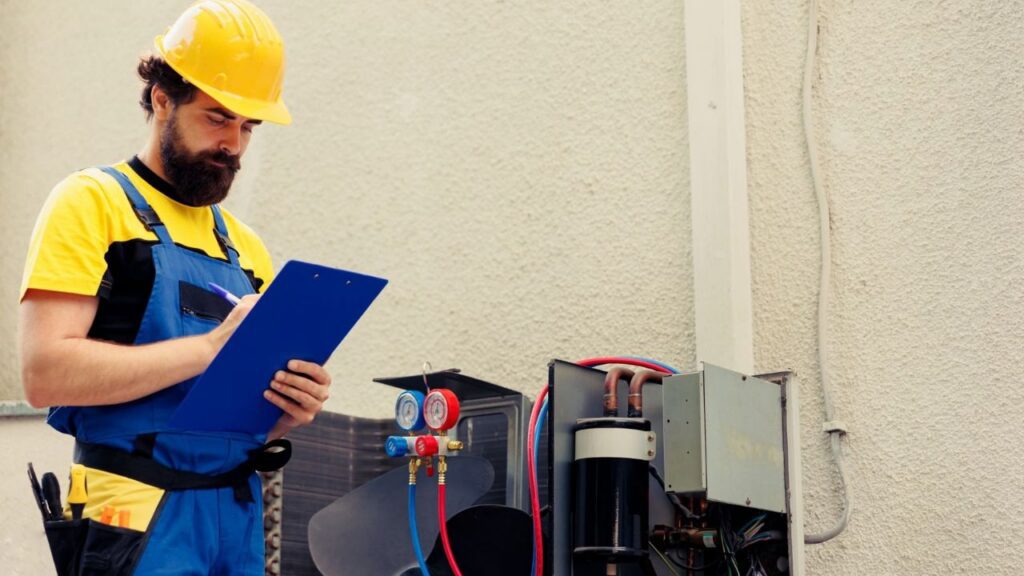
Sometimes a cold room has a simple cause. Walk through the house and check each supply vent. Make sure rugs, furniture, curtains, or storage boxes are not covering them. Then look at the return grilles where air is pulled back into the system.
Dust on a grille is easy to clean. Weak airflow throughout the house is different. If you clear the vents and replace a dirty filter, check the airflow again. If it is still weak, an HVAC technician may need to inspect the blower or duct system.
Clear the area around the furnace as well. A utility room has a way of becoming storage space during summer. Give the equipment room to operate and give a technician safe access to it when service is needed. This quick walk-through of your home is an important part of any furnace maintenance checklist. Airflow problems do not always start at the furnace itself.
4. Pay Attention to What Changes During the First Heating Cycle
You know what your home normally sounds and feels like. Use that. A furnace may make normal sounds when it starts up. You may also notice a brief dusty smell after months of sitting idle. What matters is when something seems new, strong, or persistent.
Watch for:
- Repeated banging, scraping, or grinding
- A strong burning or electrical smell
- Smoke or visible soot
- A furnace that keeps shutting itself off
- Heat that never reaches the thermostat setting
- Very weak airflow
- A carbon monoxide alarm
- A gas odor
You do not need to diagnose these problems yourself. If a carbon monoxide alarm sounds, leave the home and move to fresh air. The U.S. Consumer Product Safety Commission says not to search for the source yourself. Call emergency services and do not return until responders say it is safe. That is different from a routine maintenance issue. Treat it that way.
5. Have the Parts You Can’t See Professionally Checked
There is a point where DIY furnace maintenance should stop. You can change a filter and clear a vent. You should not take apart combustion equipment just to see whether everything “looks okay.”
A proper professional heating check goes deeper. ENERGY STAR’s maintenance guidance calls for checks of electrical connections, system controls, gas or oil connections, gas pressure, burner combustion, and the heat exchanger.
Why do those checks matter? A furnace can still produce heat while a component is wearing out or operating poorly. Testing the system before peak winter use gives a technician a chance to find that problem while you still have heat and have time to make a sensible repair decision.
At Star Services Heating & Air Conditioning, our team offers HVAC maintenance plans for North Georgia homeowners, including annual tune-ups and priority scheduling. We provide heating service throughout Alpharetta, Cumming, Gainesville, Duluth, Johns Creek, Dawsonville, Buford, and nearby communities.
What Is Normal, and When Should You Call?
This is where many homeowners get stuck. You turn the furnace on, something feels different, and now you have to decide whether you can watch it for a day or whether it needs service. A dirty filter is something you can handle. So is a chair blocking a vent. But recurring problems deserve more attention.
If the furnace does not start, keeps shutting down, or makes a new noise, arrange for service. Do the same if you notice a strong odor or weak airflow after basic checks. If the system heats the house but has needed several repairs, tell the technician that too. Maintenance should not only answer, “Can we make it run today?” It should also help you understand what condition the system is in.
Repair the Furnace or Keep Maintaining It?
An older furnace does not automatically need replacement. Start with how it actually performs. Does it heat the house evenly? Are repairs becoming more common? Does it run for a long time without reaching the temperature you set? Are you calling for service again soon after the last repair?
One repair may make sense when the rest of the system is in good condition. Several expensive problems in a short period deserve a different conversation. A technician should be able to show you what needs repair, explain what can wait, and tell you when replacement is worth considering. You should not have to make that choice from a sales pitch.
If your furnace already has a problem, at Star Services, we provide heating repair and service along with professional HVAC service throughout North Georgia.
When Should You Schedule Fall Furnace Maintenance in North Georgia?
Do it while fall still feels comfortable. That may seem early when afternoons are warm. But that is exactly the point. You want to find a heating problem before a cold front makes the furnace something your family depends on that night.
It also gives you more room to schedule service. ENERGY STAR notes that HVAC contractors often get busier once winter arrives. That is one reason it recommends scheduling heating checks in the fall. For North Georgia homes, your fall furnace maintenance plan does not need to be complicated. Check the filter, run the heat, walk through the rooms, and notice what changed. Then let a professional handle the parts that require tools, testing, and training.
The best time to find a furnace problem is while your home is still comfortable. That gives you time to decide what to do before the first truly cold night.
Frequently Asked Questions About Fall Furnace Maintenance
When should I schedule fall furnace maintenance in North Georgia?
Schedule furnace maintenance before you start using the heat every day. Early fall is a good time because you can test the system before colder nights arrive. It also gives you time to handle repairs before HVAC companies become busier during winter.
Can I do fall furnace maintenance myself?
You can handle basic tasks such as replacing the filter, clearing vents, testing the thermostat, and keeping the furnace area clean. Leave burners, gas connections, electrical parts, safety controls, and the heat exchanger to a trained HVAC technician.
Why does my furnace smell dusty when I first turn it on?
A brief dusty smell can happen when you first run the furnace after months of little or no use. Dust may have settled while the system was off. If the smell is strong, lasts a long time, or smells like burning plastic or wiring, call an HVAC technician.
What are the early signs my furnace needs service before winter?
Common warning signs include weak airflow, uneven heat, frequent starting and stopping, new noises, strong odors, or trouble reaching the thermostat setting. If these problems continue after basic checks, schedule professional furnace service before colder weather arrives.
Should I replace my furnace filter before the heating season?
Check the filter before you begin using the furnace regularly. Replace it if it looks dirty, packed with dust, or overdue for service. Homes with pets, construction dust, or heavy HVAC use may need filter changes more often than other homes.