
7 Critical Warning Signs You Need AC Compressor Repair

The comssor is the heart of the cooling system. It moves refrigerant so heat can leave your home. When it weakens, the fan may still run. That can hide the fault until the house gets hot and AC compressor repair becomes urgent.
A common North Georgia service call starts with one odd fact: the fan runs, but the rooms stay warm. A bad compressor is not always the true cause. A weak start part, dirty coil, bad wire, low refrigerant, or clogged filter can look much the same. A licensed HVAC technician should test the full system before recommending major work.
7 Early Signs Your AC Compressor Needs Repair
Your AC compressor plays a key role in moving refrigerant and keeping your home cool. Watch for these warning signs so you can address small issues before they lead to a major system failure.
1. Warm Air Comes From the Vents
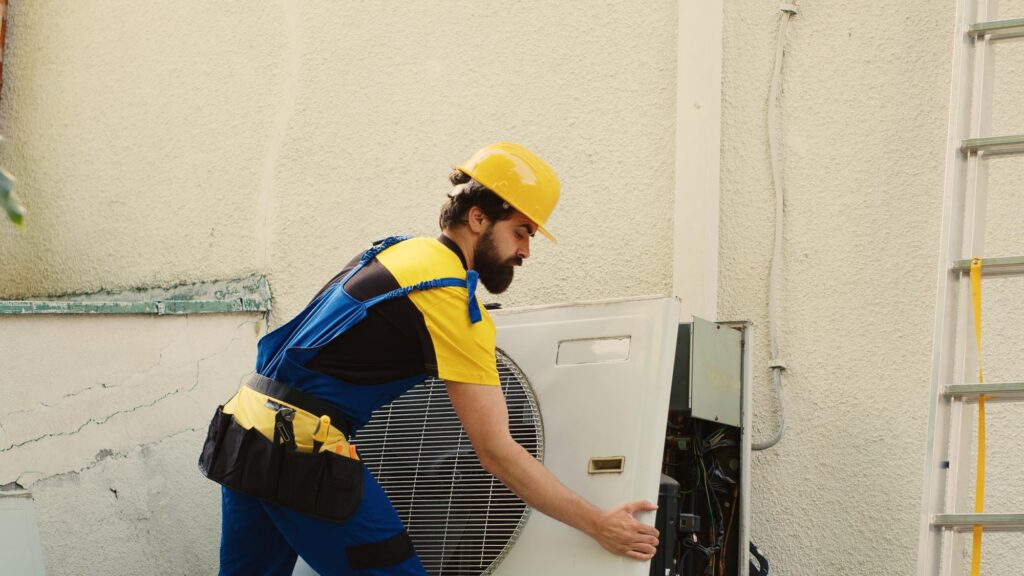
The AC is on, but the room still feels warm. This is a clear sign that the cooling loop has a fault. The compressor may not move refrigerant as it should. Yet a dirty filter or wrong thermostat setting can cause warm air too.
Start with the safe checks. Set the thermostat to cool and lower the set point. Look at the filter as well. If the air stays warm, book AC compressor repair instead of letting the unit run for hours.
2. The Outdoor Unit Makes Loud or New Sounds
A sound can tell a story before the unit stops. Banging, grinding, clatter, or a sharp screech is not normal. It may indicate a loose part, motor strain, or damage inside the compressor. A soft hum is fine, but a new harsh sound needs fast care.
Turn the system off if the noise is loud or gets worse. Do not open the outdoor unit or touch its wires. Live parts can cause a bad shock. A trained tech should find the source before more parts are harmed.
3. The Breaker Trips More Than Once
A breaker that trips once may be a fluke. A breaker that trips again is a warning. The compressor may be too hot or draw too much power as it tries to start. A bad start part or wire fault can also be to blame.
Do not keep flipping the breaker back on. This may harm the unit. Leave it off and call for air conditioner compressor repair. The safe fix starts with tests, not guesswork.
4. The AC Starts and Stops Too Fast
Does the system run for a few minutes, stop, then start again? This is called short cycling. It can stem from a bad thermostat, low airflow, low refrigerant, a weak start part, or compressor trouble. Each quick start adds more strain.
Short cycling can also leave rooms damp and uneven. The hall may feel cool while a back room stays muggy. North Georgia heat and wet air make that hard to miss. AC compressor repair may be needed, but the whole system must be checked first.
5. Ice Forms on a Coil or Refrigerant Line
Ice on an AC unit looks odd on a hot day. It often points to low airflow or low refrigerant. It is not proof that the compressor has failed. Yet if the unit keeps running, the added strain can harm it.
Switch the cooling off and let the ice thaw. Check the filter, but do not chip away at the ice. Thin metal fins bend with little force. A pro can check airflow, charge, coils, and compressor health.
6. Your Power Bill Jumps Without a Clear Cause
A sharp rise in the bill may mean the AC works too hard. Hot weather can play a part, so compare months and habits. If the unit runs all day and the home stays warm, a weak compressor may waste power. Dirty coils and filters may cause the same issue.
This is where a few notes help. Mark the bill, run time, room heat, and any new sounds. Those clues can speed up AC compressor repair and stop blind part swaps. A good tech should explain each test in plain words.
7. You See a Leak or Smell Something Burnt
Water near the indoor unit may come from a drain fault or frozen coil. Oily marks near a line may point to a refrigerant leak. A burnt smell may mean hot wires, a bad motor, or a part under strain. None of these signs should be shrugged off.
Turn the system off if you smell burning or see smoke. Keep clear of any odd fluid near the outdoor unit. Refrigerant work needs the right tools and trained hands. Fast care can protect both the unit and the home.
Do You Need AC Compressor Repair or a New System?
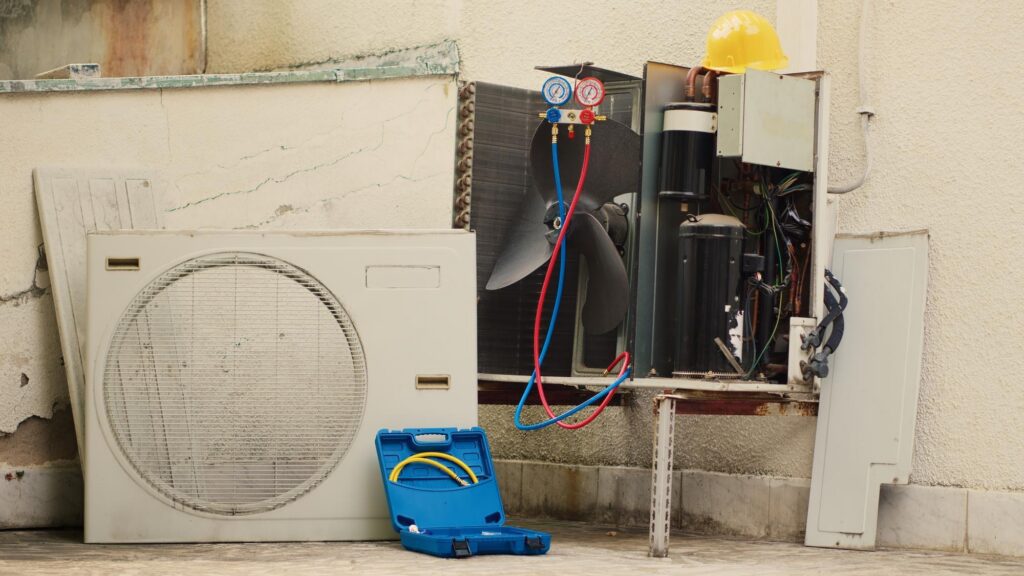
This is the hard choice. Should you fix one key part or replace the whole unit? The answer rests on age, warranty, repair cost, past faults, and coil health. A newer unit with sound coils and warranty cover may be worth fixing.
An old unit with repeat faults may be a money pit. Still, age alone should not make the choice. Ask for test results and both price paths. That gives you facts, not a rushed sales pitch.
Ask the tech these points before you approve work:
- Is the compressor truly bad, or is another part at fault?
- Is the part still under the maker’s warranty?
- What is the full price, with labor and refrigerant?
- Are the indoor and outdoor coils in good shape?
- How does the fix compare with a new, well-sized unit?
A fair quote should show both paths. It should state what is covered. It should also say how long the work may last. The lowest price is not always the best value.
Professional HVAC Services in North Georgia
For local help, Star Services Heating & Air Conditioning serves homes and businesses across North Georgia. Our AC repair and installation team handles installation, replacement, repair, and upkeep. Our licensed and insured techs are on call 24/7 for urgent AC faults.
Star Services lists more than 24 years of HVAC experience. We offer upfront prices, common parts on service trucks, warranty coverage, and a satisfaction pledge. That stock can help finish many jobs in one visit. Our team fixes no-start faults, warm air, odd sounds, high bills, frozen coils, leaks, bad thermostats, and clogged filters.
When a home in Cumming, Buford, Gainesville, or close by feels like a porch in July, speed matters. But a sound test matters more. Do not guess at the cost or force the unit to run. Find the root cause before one weak part pulls the rest of the system down.
A compressor rarely fails in silence. The real question is, will the signs be heard before the cool air is gone?